Endemic Wildlife, Up Close

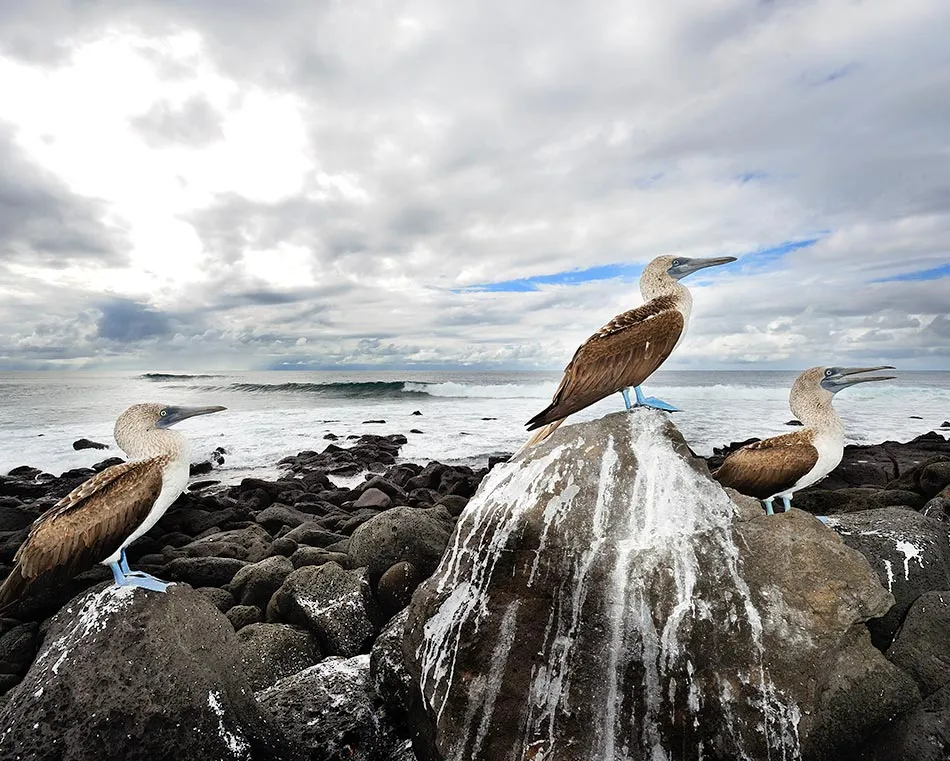
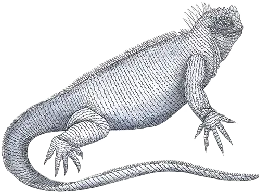
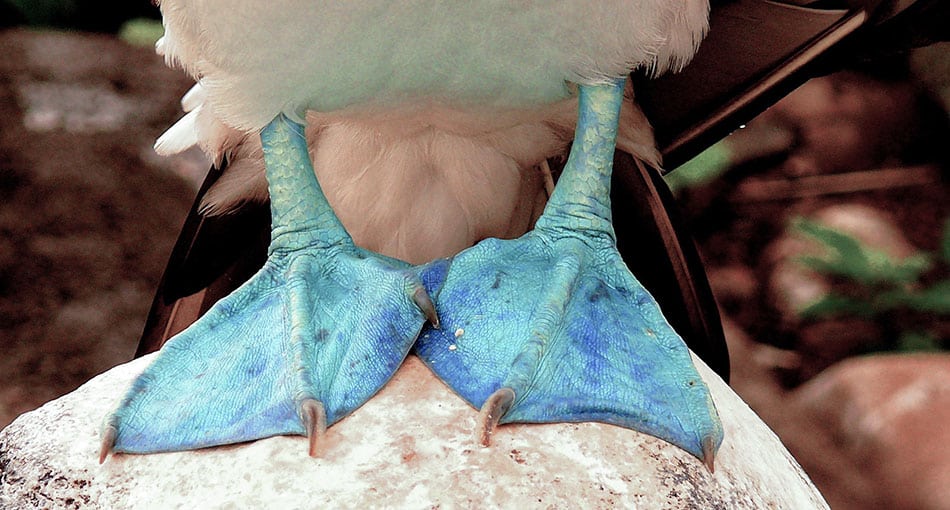
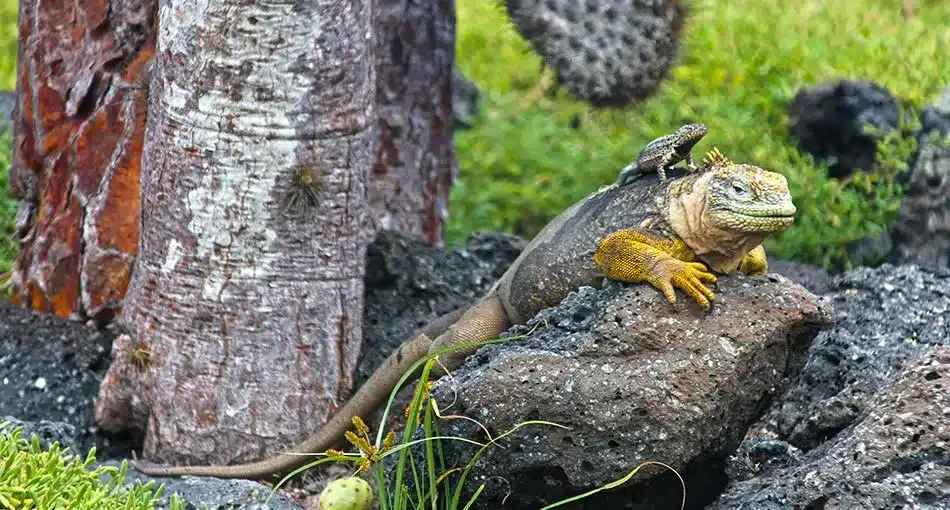
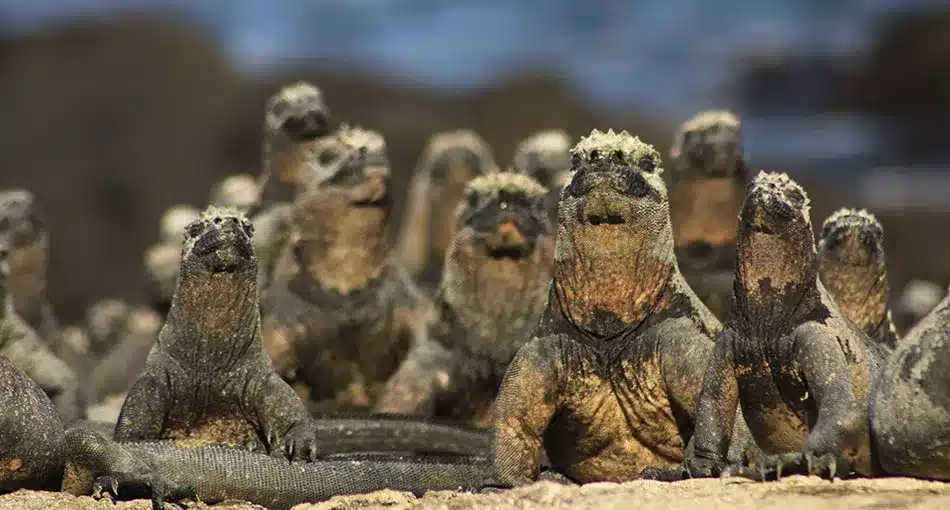
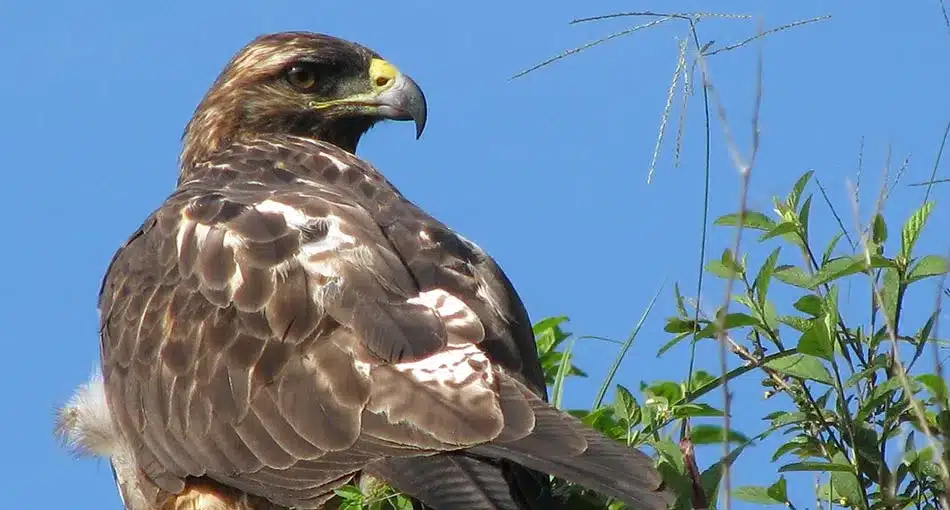
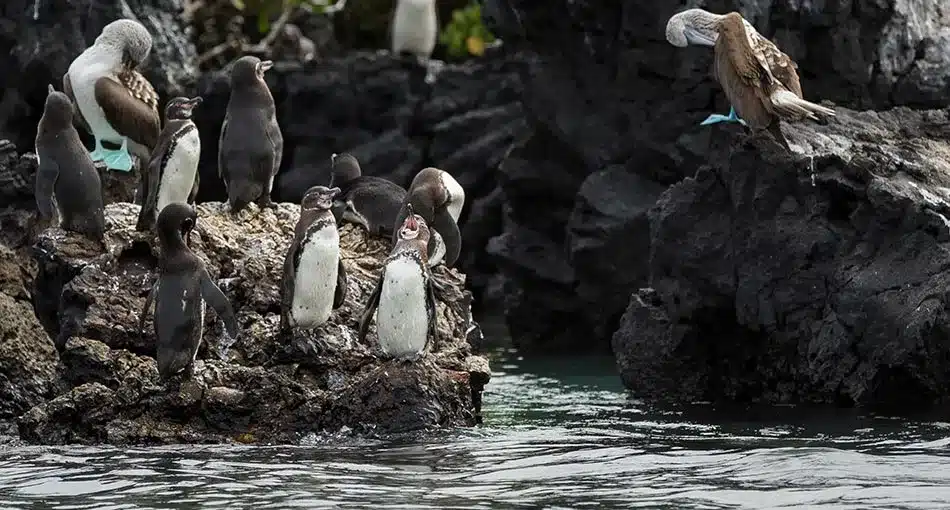
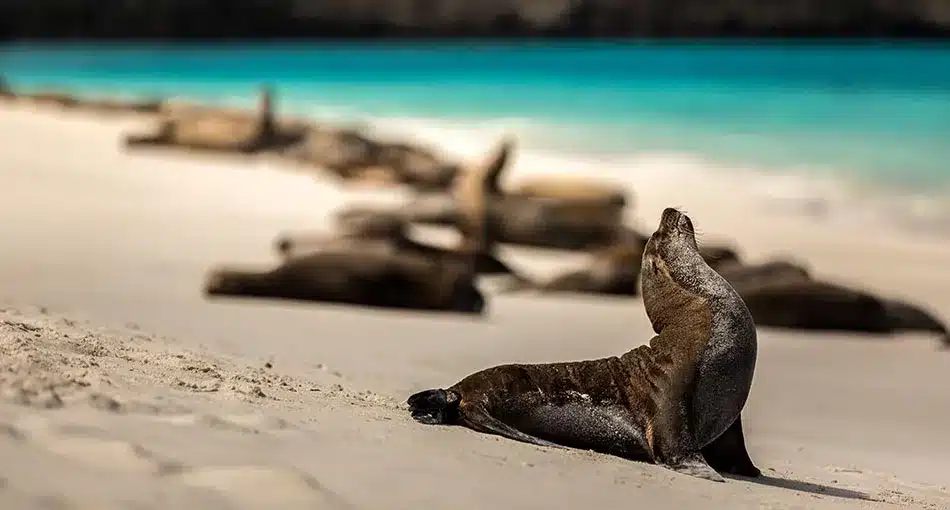
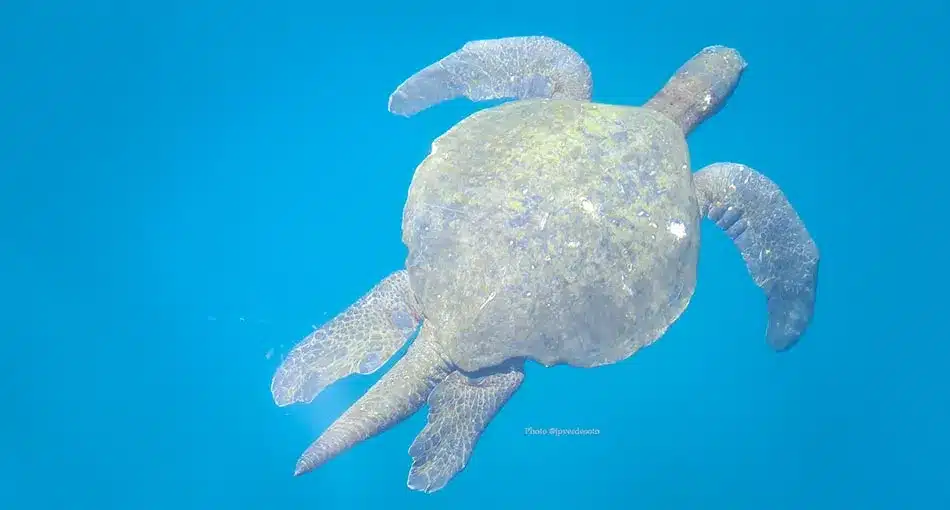
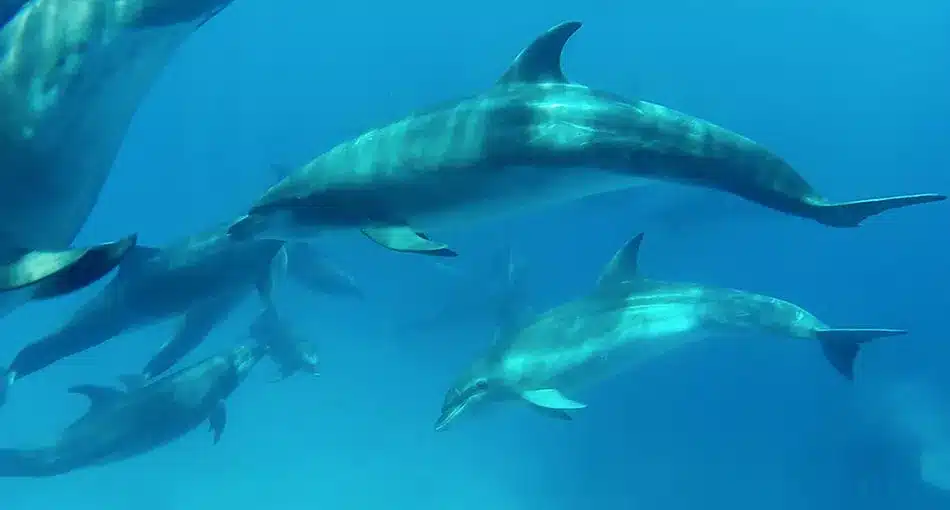
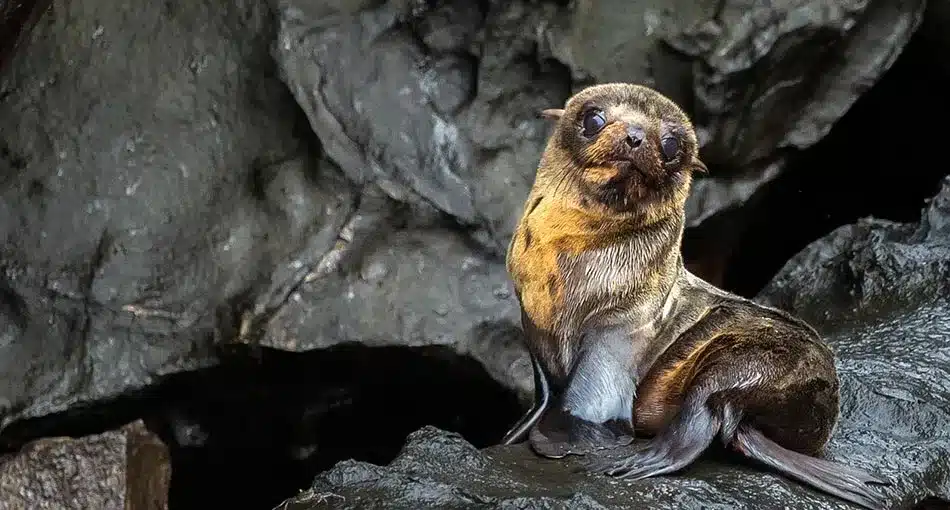
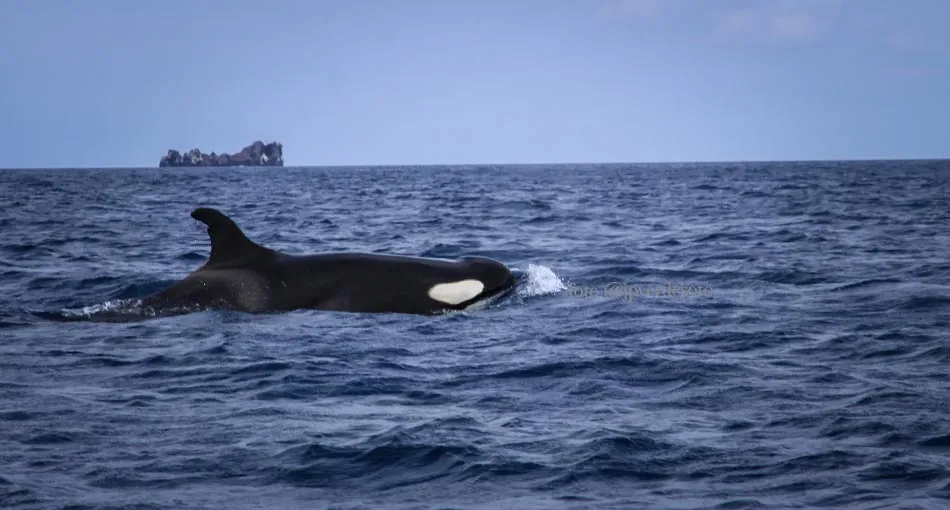
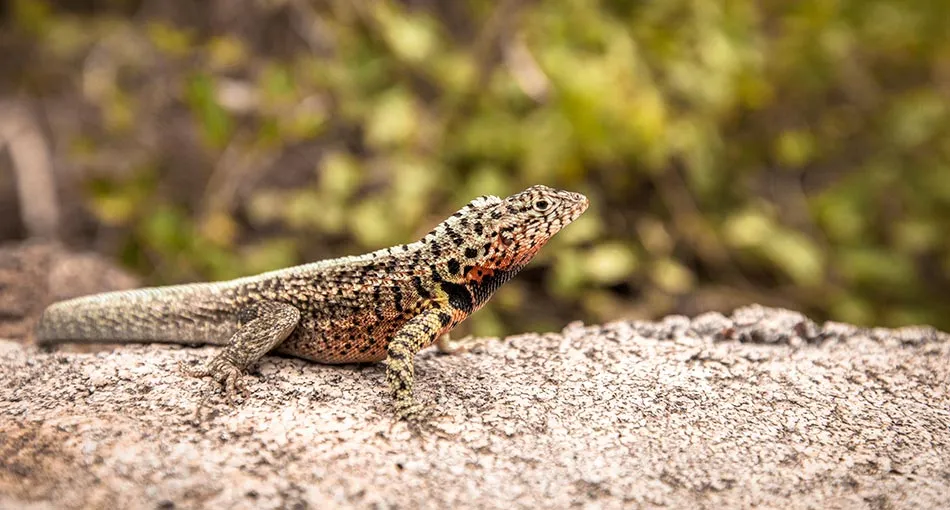
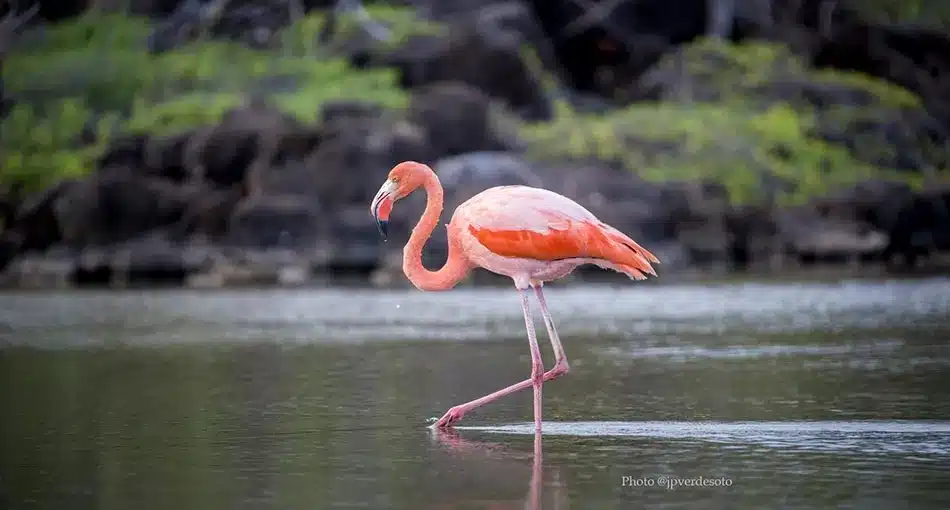
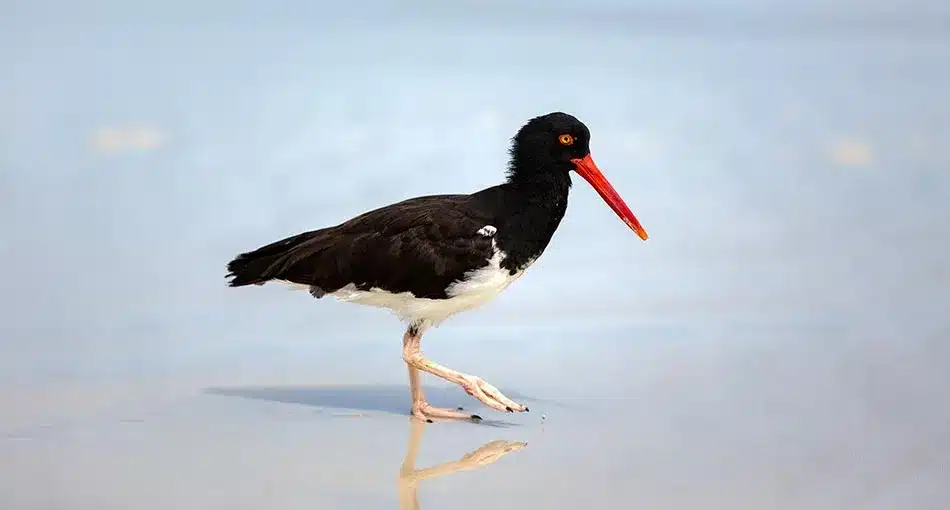
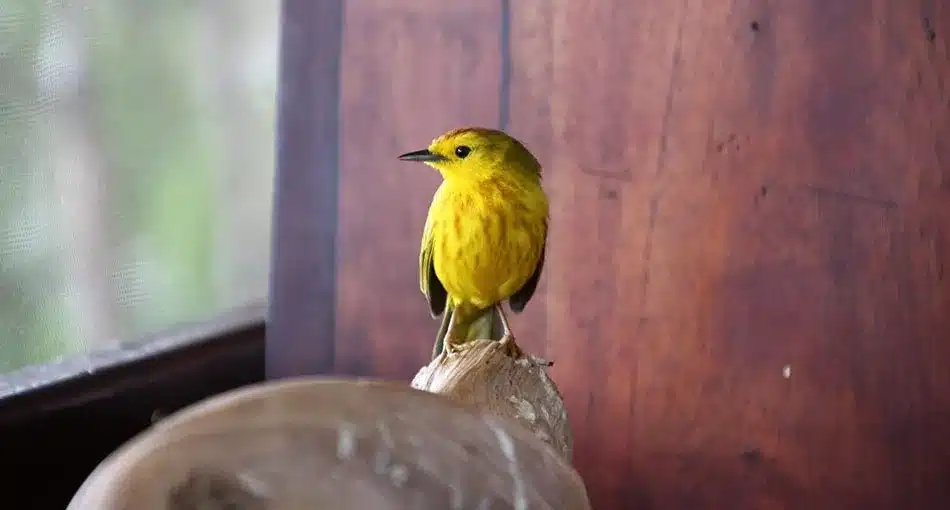
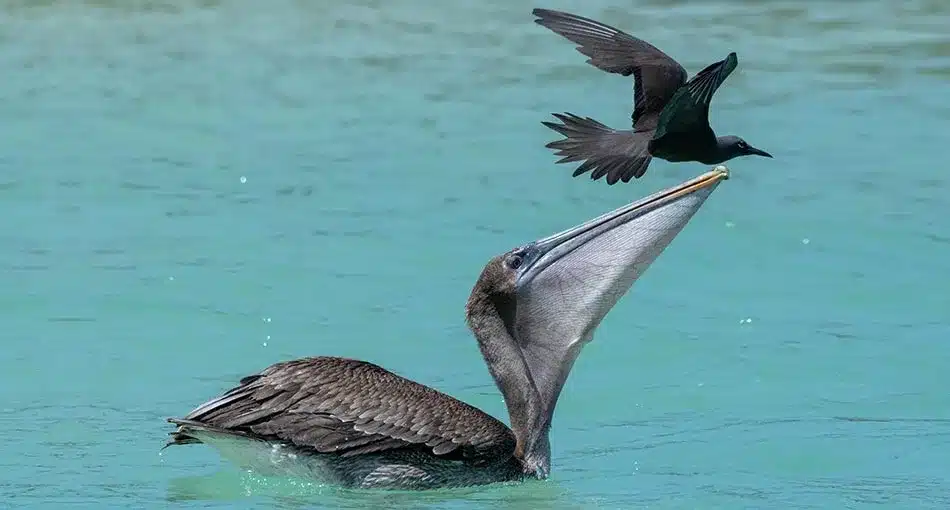
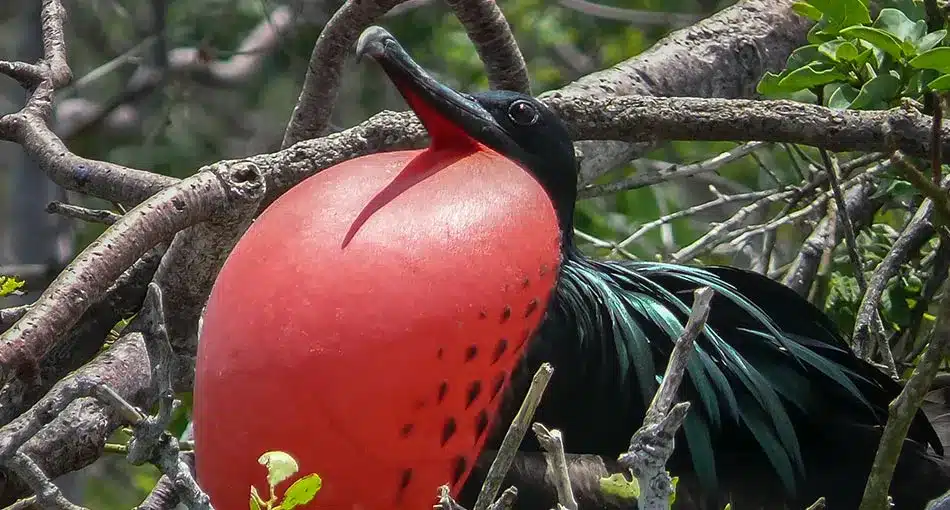
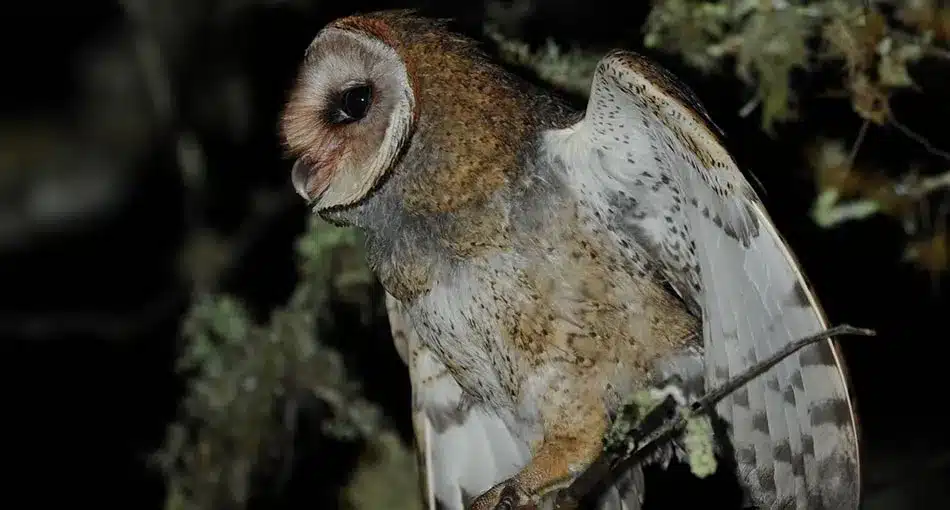
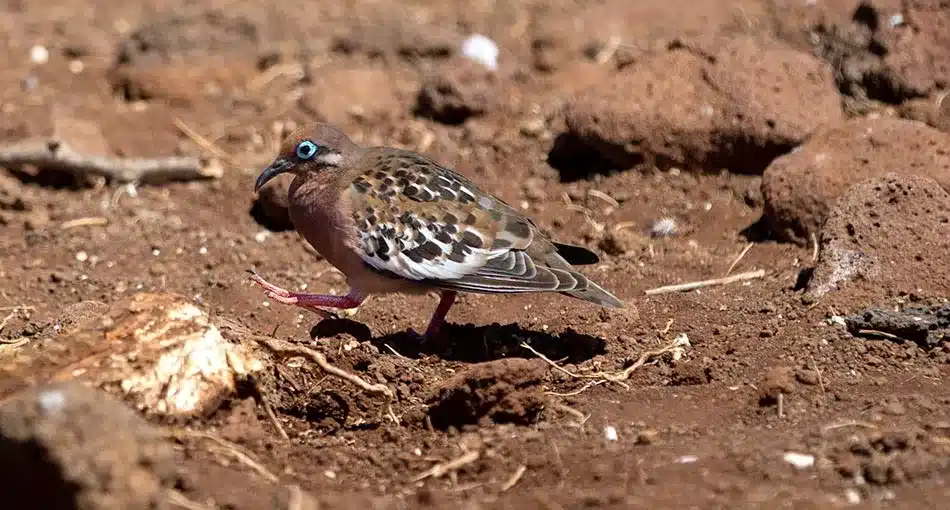
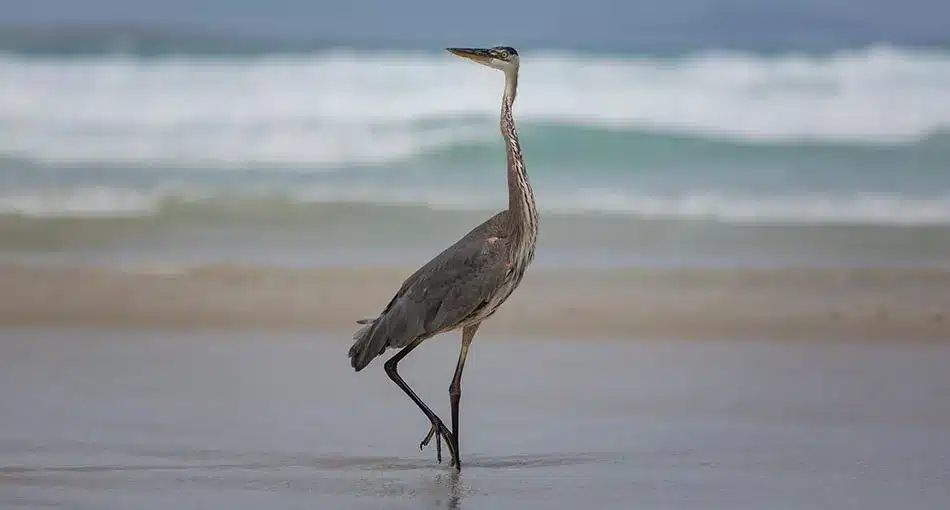
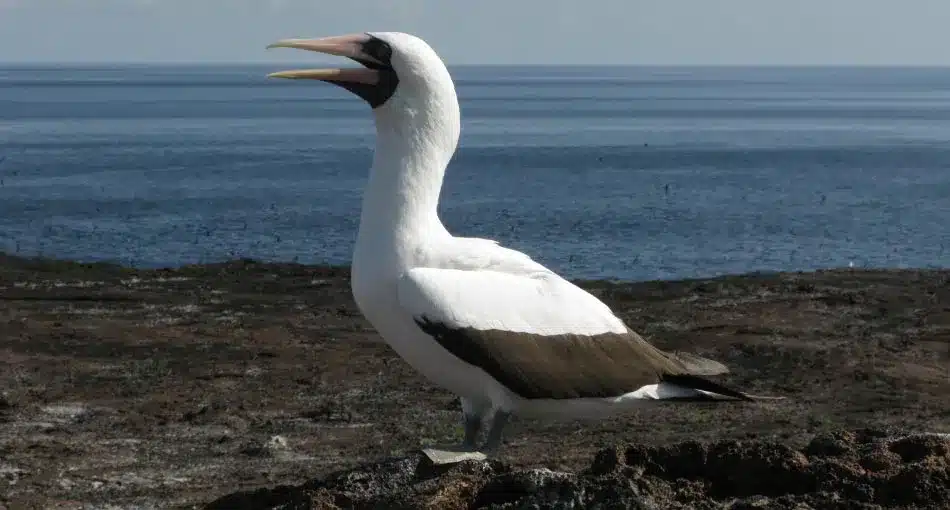
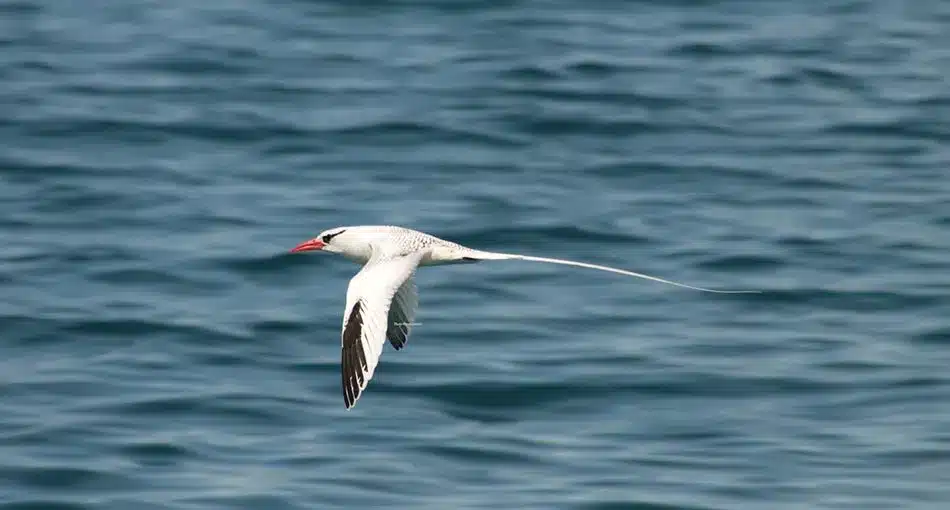
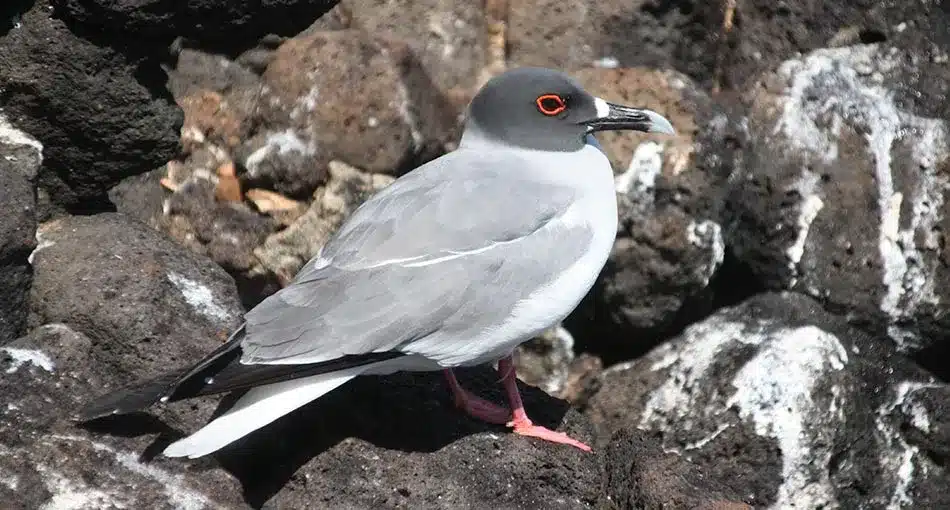
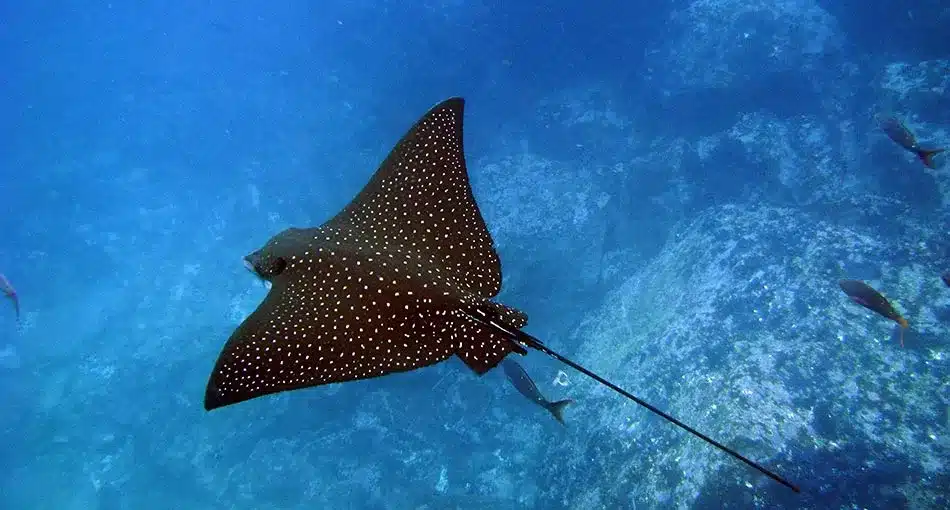
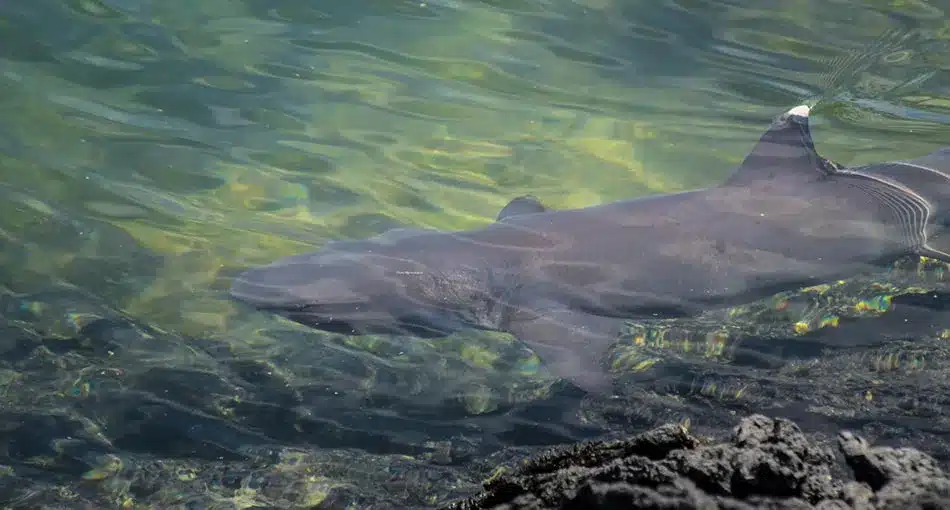
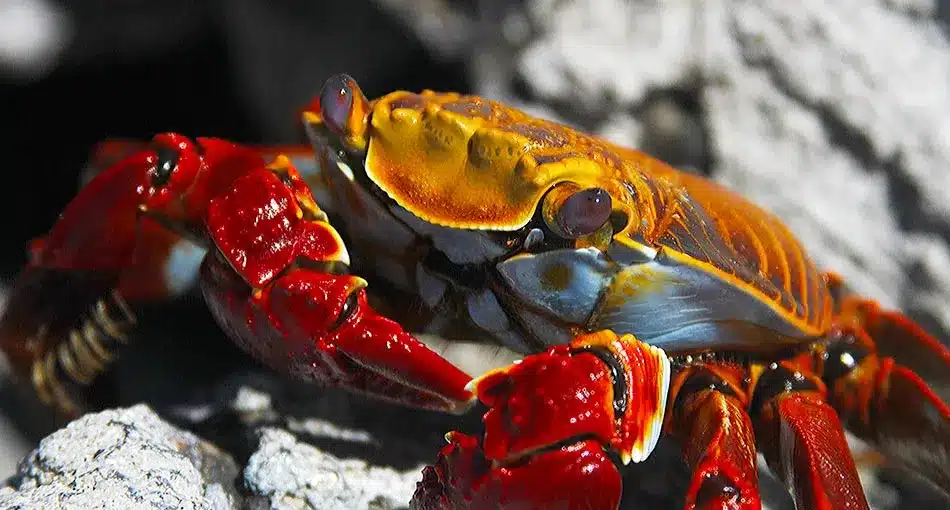
The Galapagos Islands are one of the planet’s most extraordinary wildlife destinations, home to species found nowhere else on Earth, along with migratory visitors passing through. What sets the islands apart is not only the endemism of their flora and fauna, but the way you experience the wildlife here, just as Byron observed when he visited the islands in 1825.
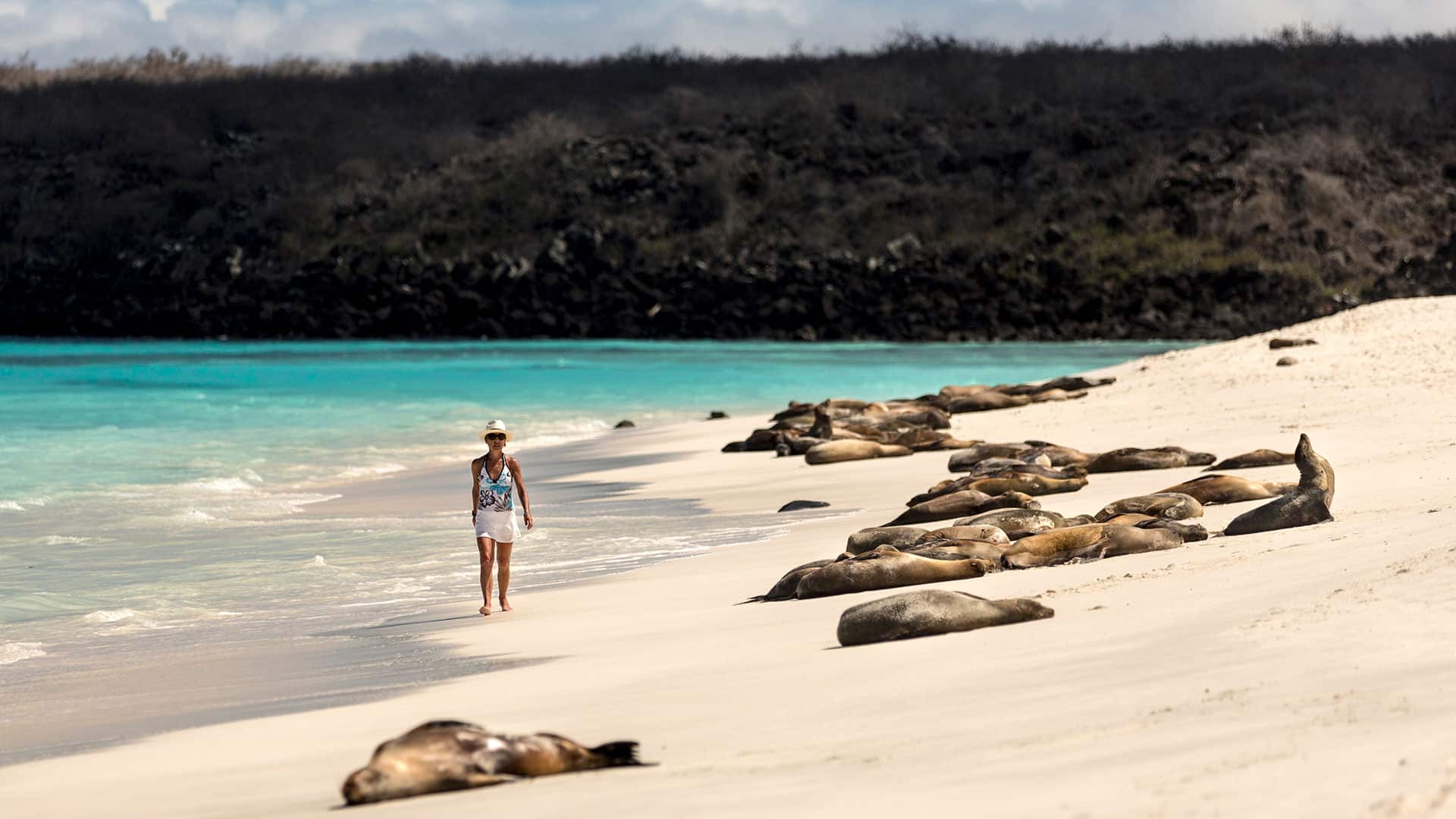
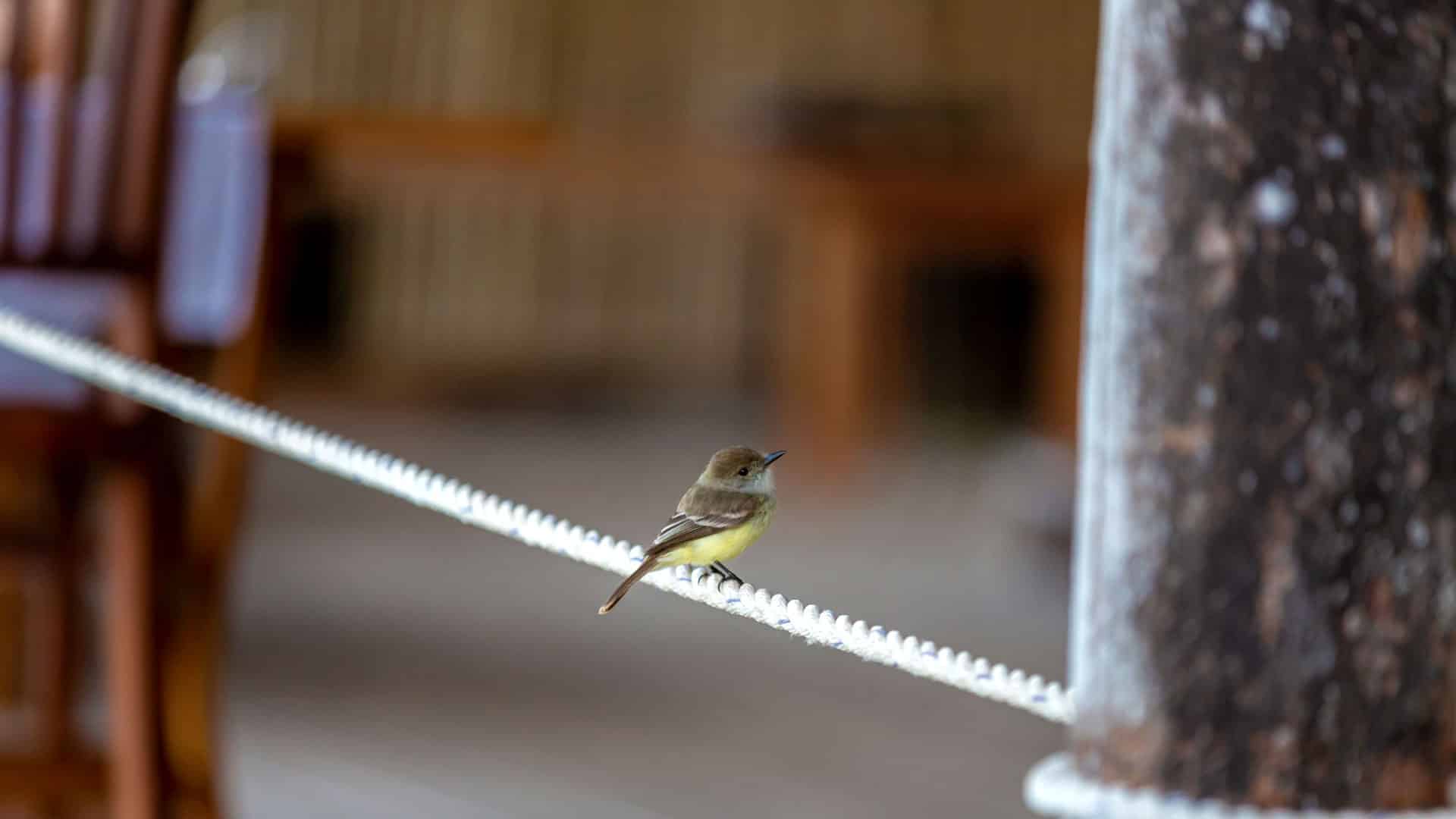
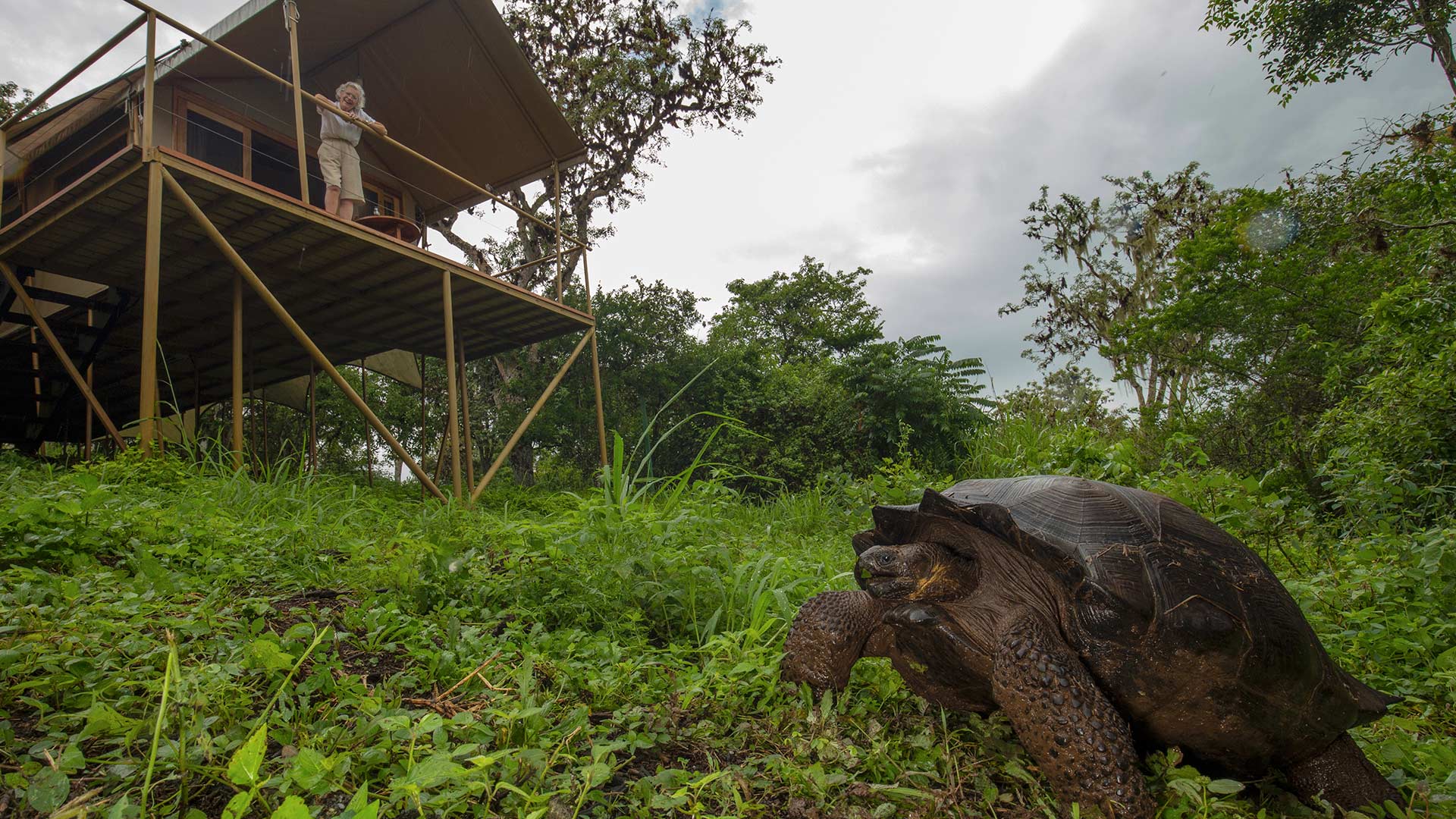
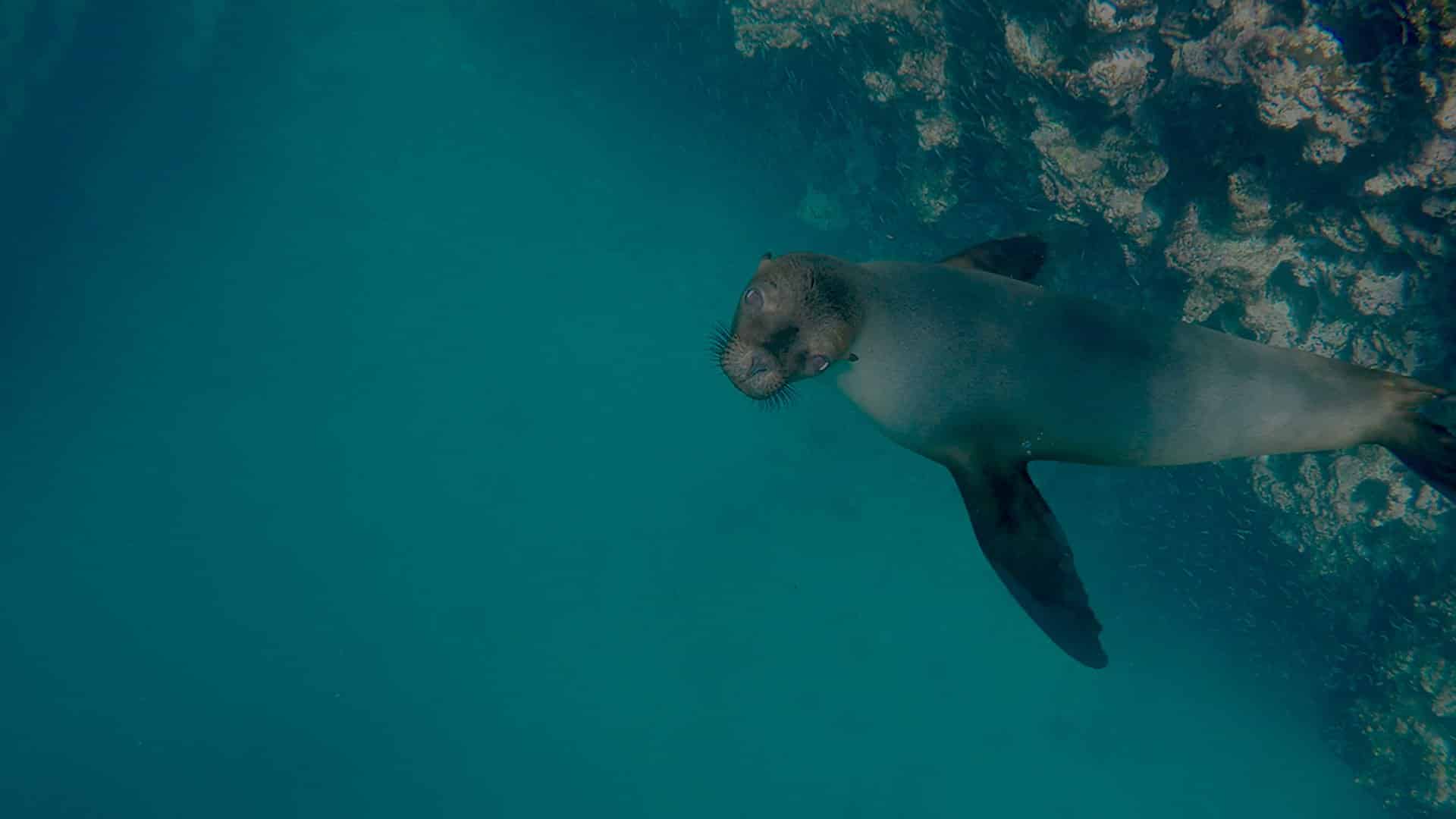
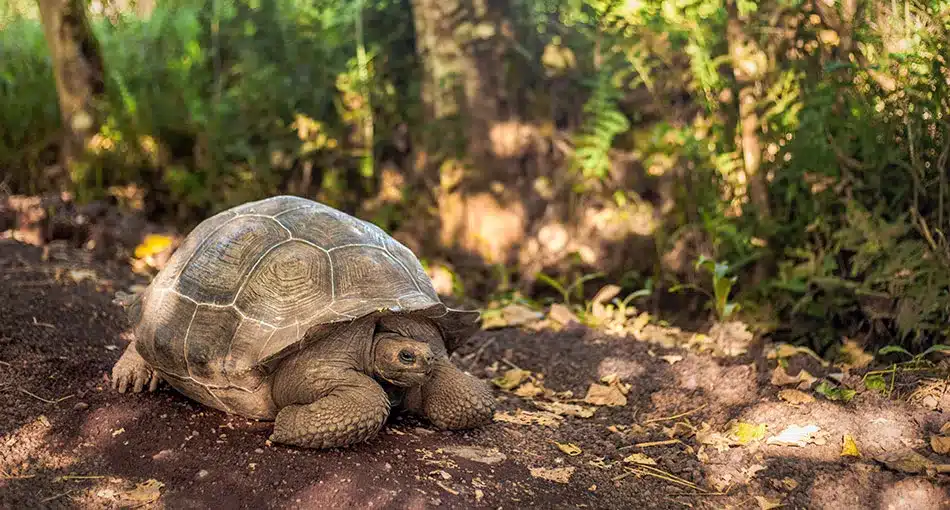
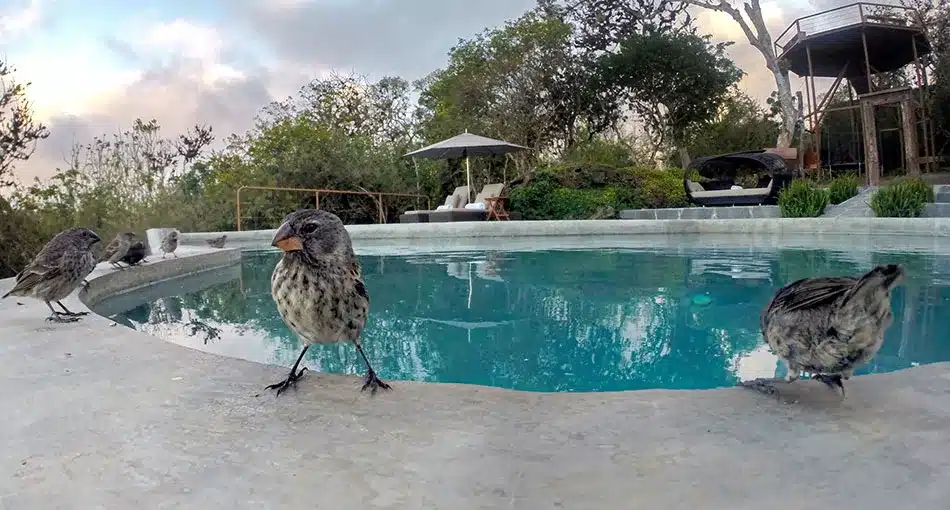
In the Galapagos, many land species evolved with few native terrestrial predators and no mammalian hunters, until the relatively recent arrival of humans in the 16th and 17th centuries. As such, the animals here are generally unfazed by human presence. You can watch them as they go about their daily to-do lists of survival— hunting and foraging; nest building and burrow-digging; courting and mating, feeding their young; communicating, playing and sleeping. There’s rarely a dull moment. What’s more, the curiosity often runs both ways, with many creatures just as intrigued by us as we are by them.
The experience is less about species checklists (although we do list Species Seen on Our Safaris for reassurance) and more about curiosity, wonder and awe, serving as a reminder of our place in the great Tree of Life and the natural world we share.
A Living Laboratory

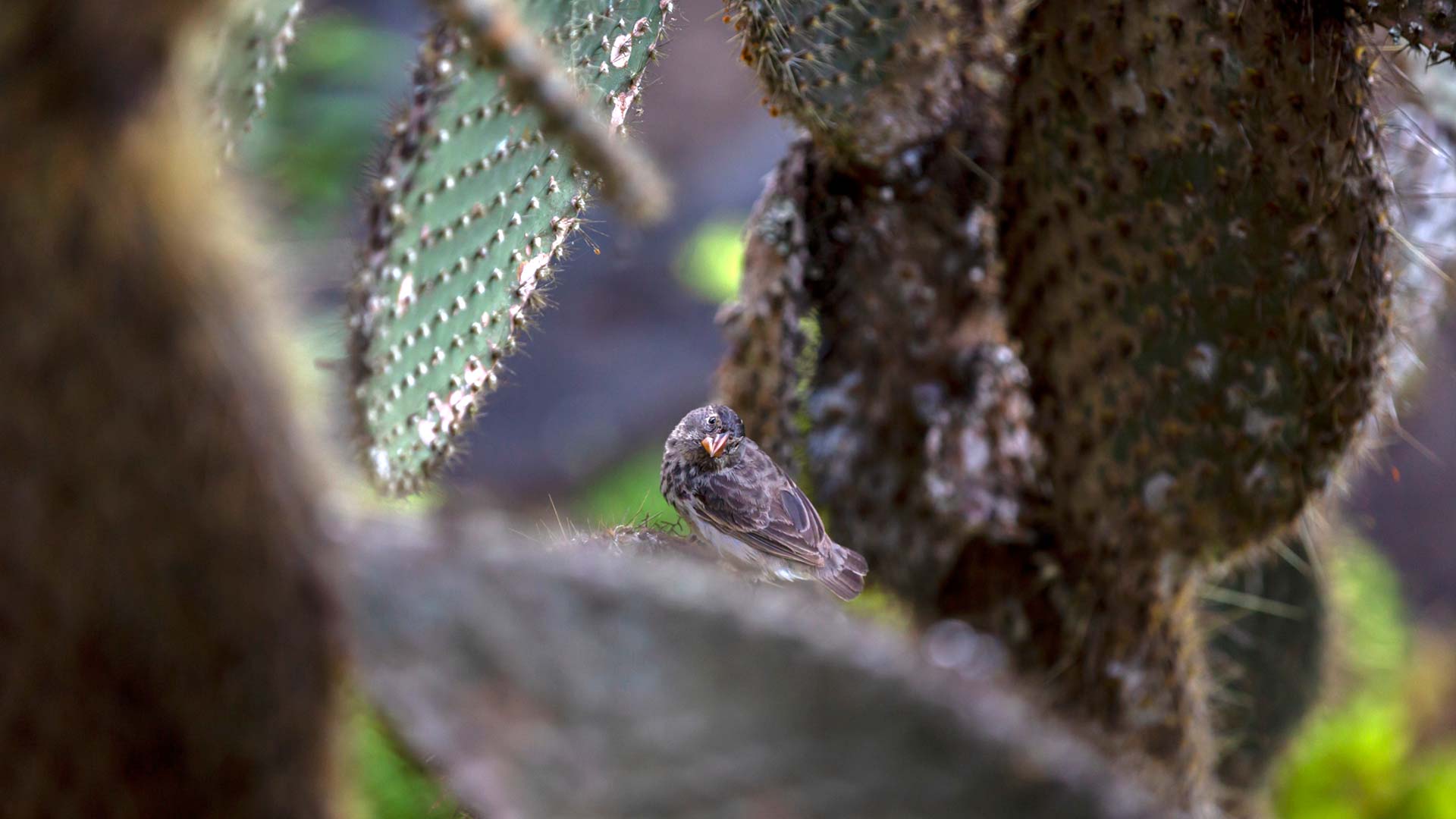
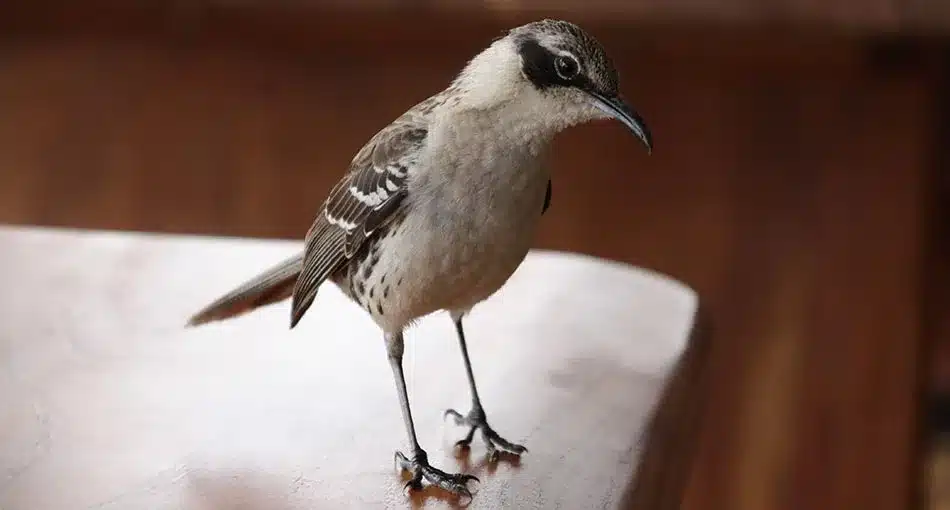
Charles Darwin’s visit to the Galapagos in 1835 (10 years after Byron’s) gave him crucial insights into how species change over time. He noticed that mockingbirds and finches differed from island to island, and he began to see how isolation and environment could drive adaptation. These observations later became central to his theory of evolution by natural selection.
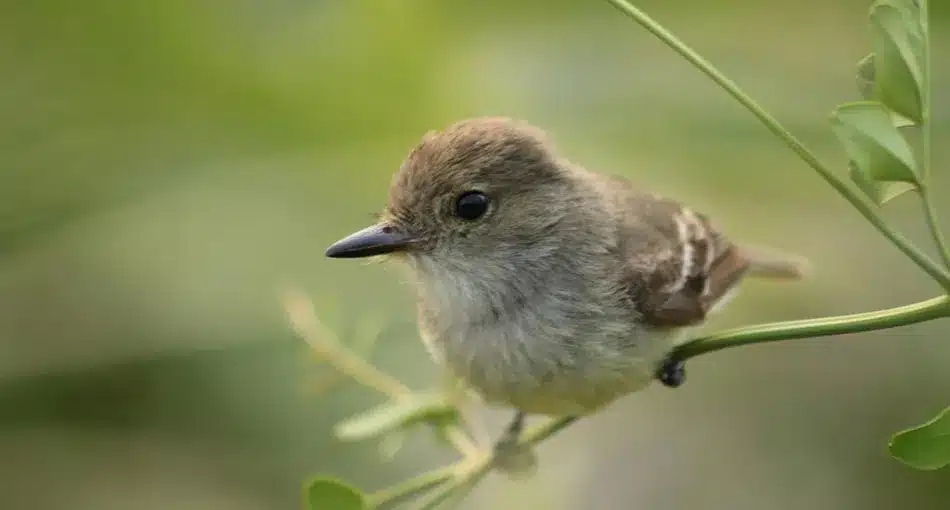
Today, the islands remain a vital setting for science and are often referred to as a “living laboratory” because evolutionary processes can be studied in unusually clear and measurable ways. Researchers can track how species adapt to changing conditions, how ecosystems respond to disturbances such as El Niño, and how conservation measures can protect fragile populations.
The knowledge gained in the Galapagos continues to shape global understanding of evolution, ecology, and conservation. As such, the Galapagos National Park and Galapagos Marine Reserve hold UNESCO World Heritage status, and are among the most highly protected regions in the world. Visiting comes with responsibilities, and all visitors are expected to follow the National Park’s guidelines to help protect this extraordinary environment.
It’s Personal

For us, though, the Galapagos is far more than a science lab or a ‘visiting site’. When we first climbed the tree that revealed the sweeping view where our Camp now stands, we felt the same sense of awe described by Byron in his journals and later by Darwin in his notes. It was clear this was a very special place, one where nature would, and should, always take the lead.
Since then, our mission has been simple: to welcome likeminded guests into our Galapagos home, and to share a wildlife experience that feels authentic and timeless, one that Byron, or even Darwin himself, might still recognise today.