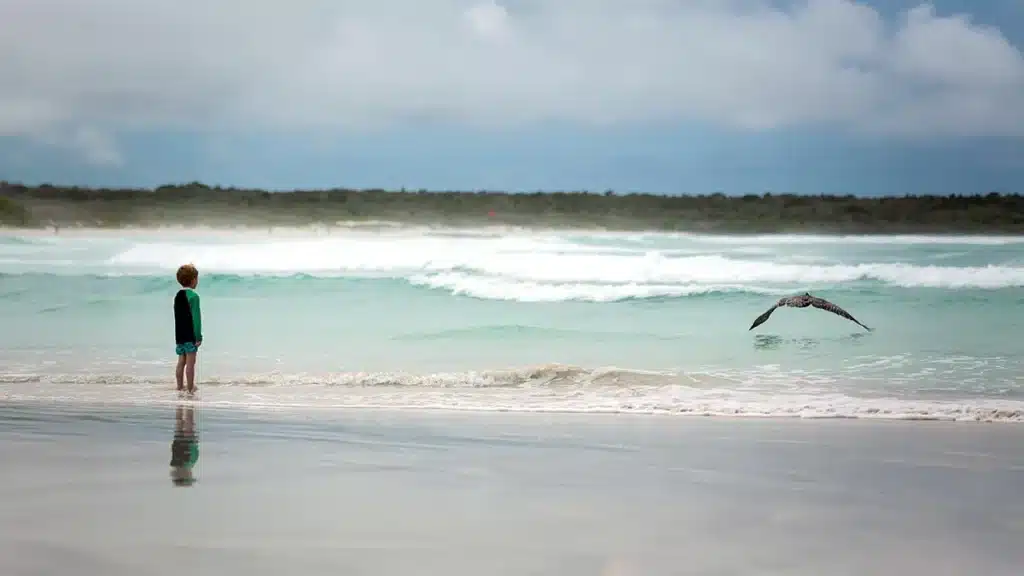
Galapagos with Young Children

A guide for parents planning a family safari with younger children

- EXPLORE OUR GUIDE -
Why Children Love the Galapagos

A Living Classroom for Young Minds

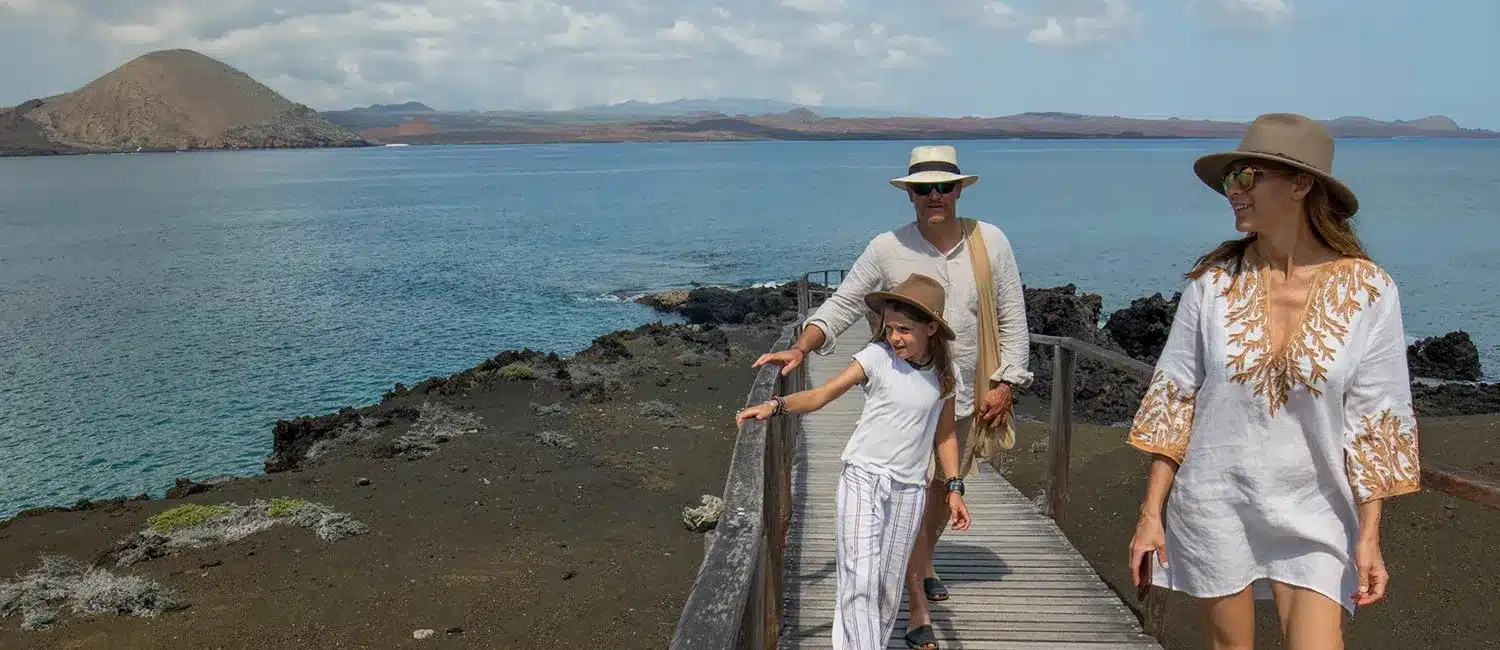
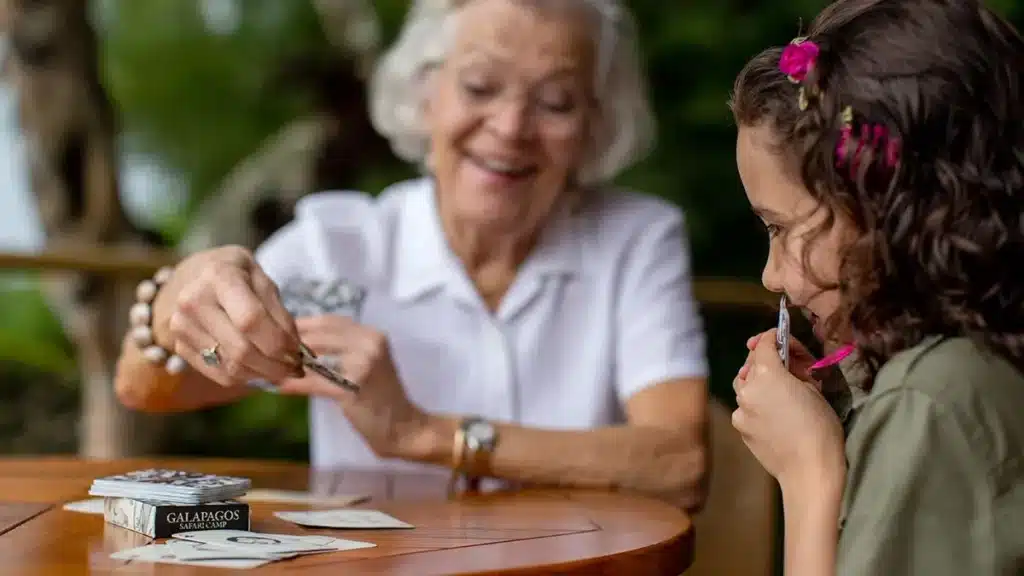
The Galapagos Islands are a remarkable place for young minds and experiential learning. Galapagos Safari Camp was founded by parents who raised their own children here, and who have seen first hand how children are particularly susceptible to the powers and lessons of these islands. There is no minimum age for a land-based safari — and no upper limit on what young children take away from it.

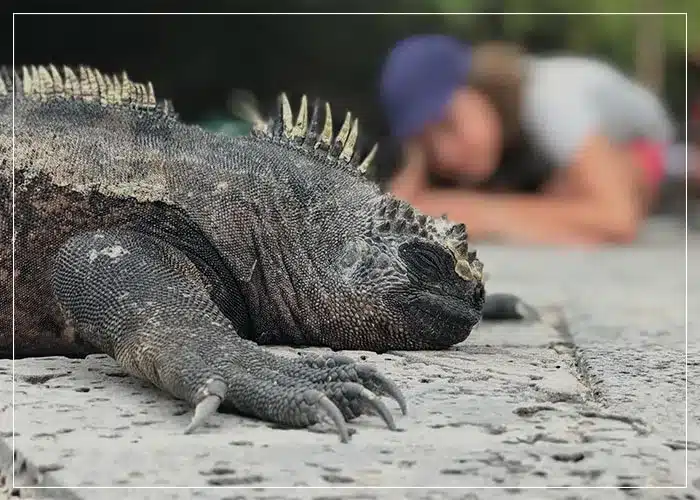
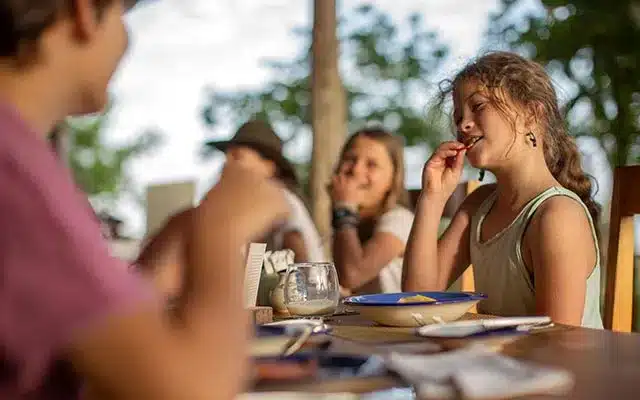
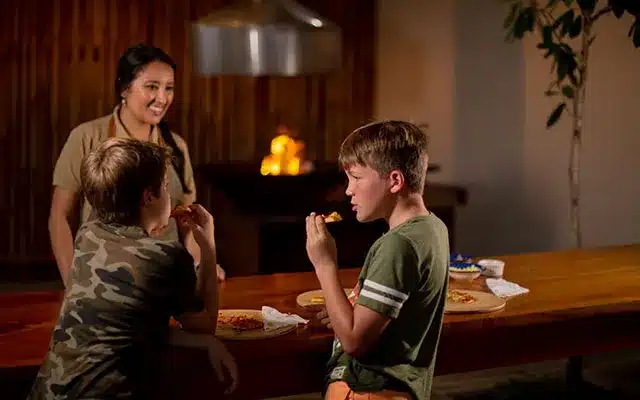
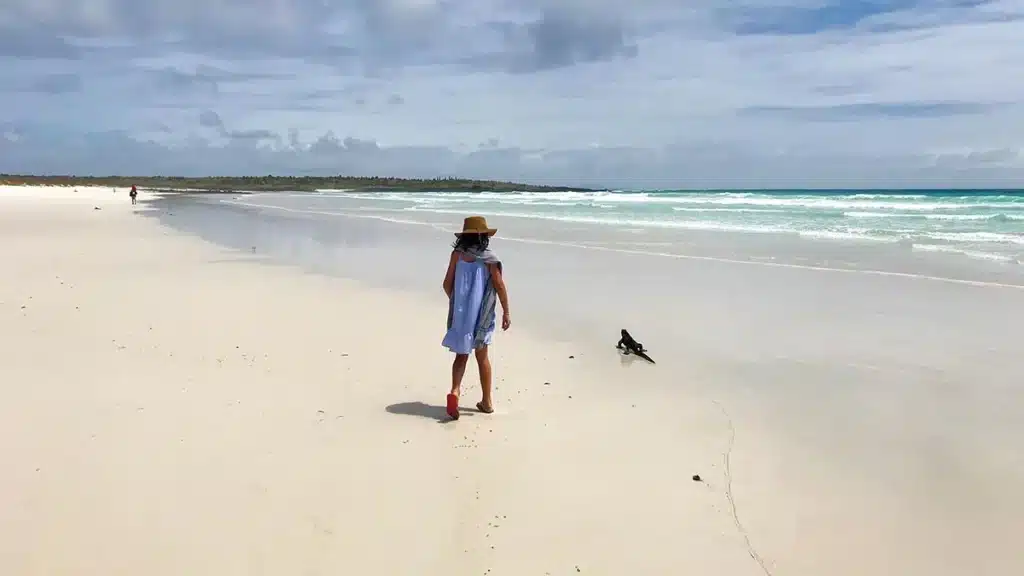
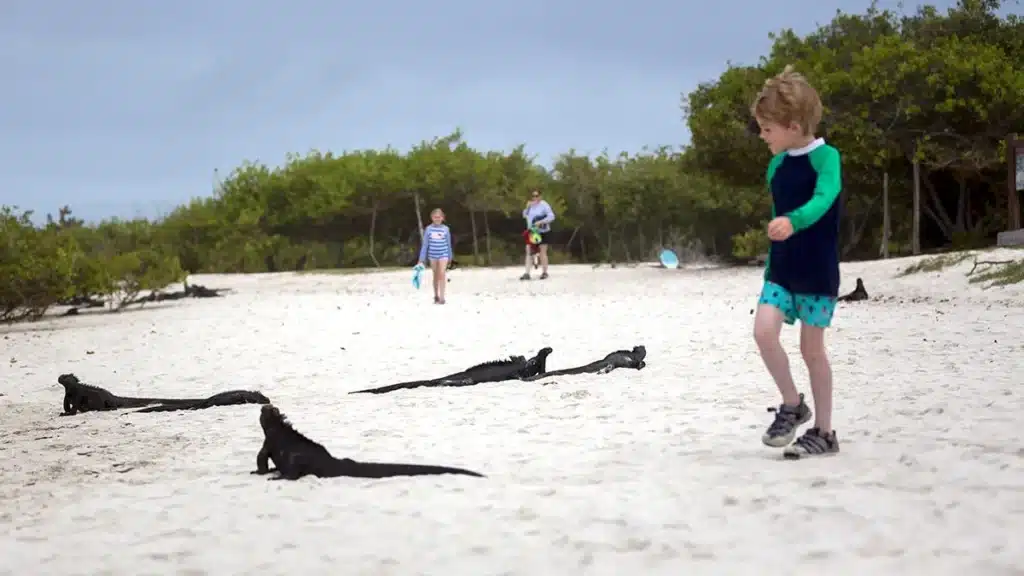
Sit a few yards from a marine iguana and adaptive natural selection comes to sea-salt-snorting life. Watch a hungry sea lion pup calling for its mother on a beach and the survival of the fittest is brought undeniably home. Enjoy breakfast on our veranda with darting Darwin’s finches and his research suddenly seems more tangible.

For curious young spirits, the Galapagos are a true, living, breathing biology lesson. And unlike safari destinations in Africa, where sightings are concentrated at dawn and dusk, the wildlife here is on show around the clock — close, unhurried, and requiring no patience from even the most energetic child.

GALAPAGOS WITH KIDS

Seven Life-Changing Lessons for Young Explorers

There’s so much that kids can learn on a Family Galapagos Safari, not only about the natural world, but about how they, as people, relate to it.

Here, we list seven life-changing lessons for kids in the Galapagos Islands.

Lesson 1 — Contact with nature is part of what makes us human


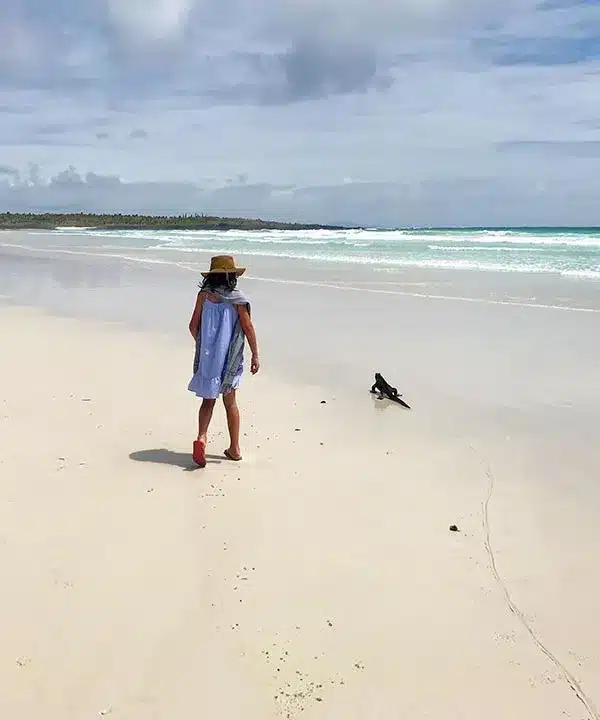
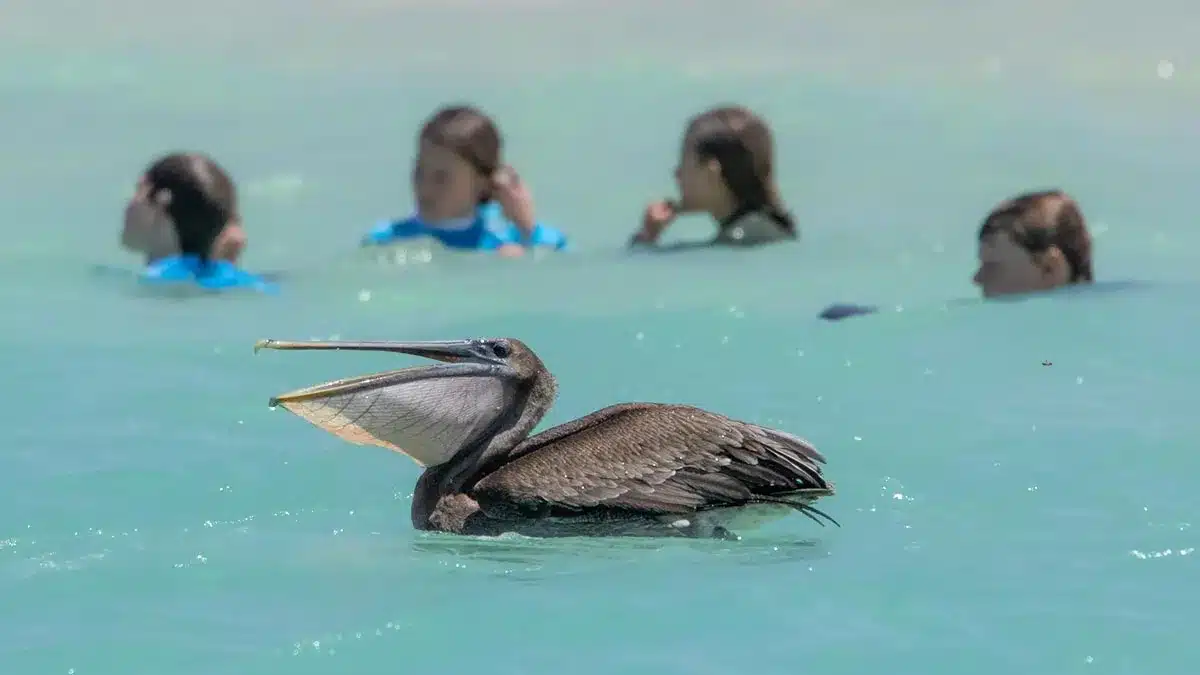
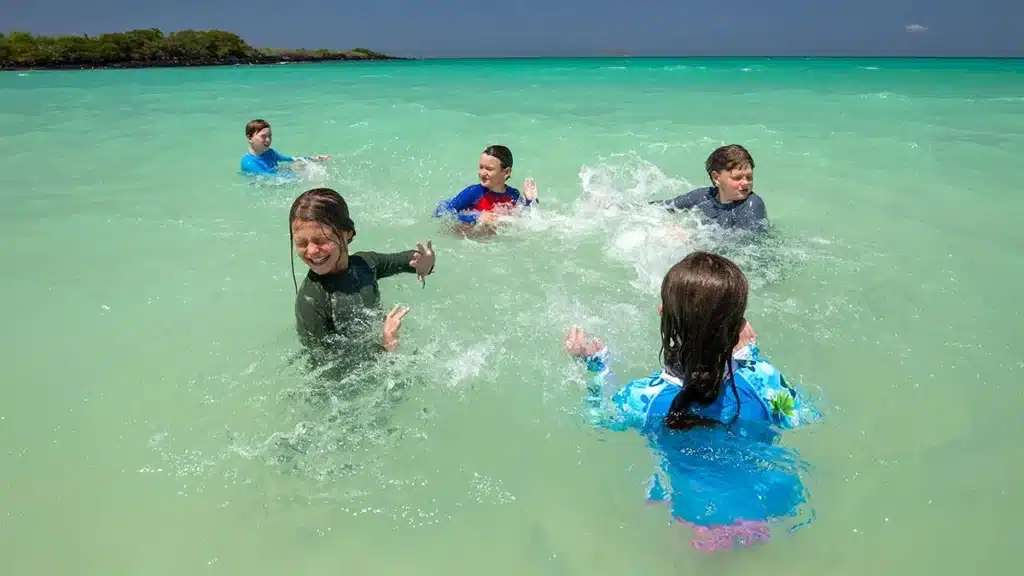
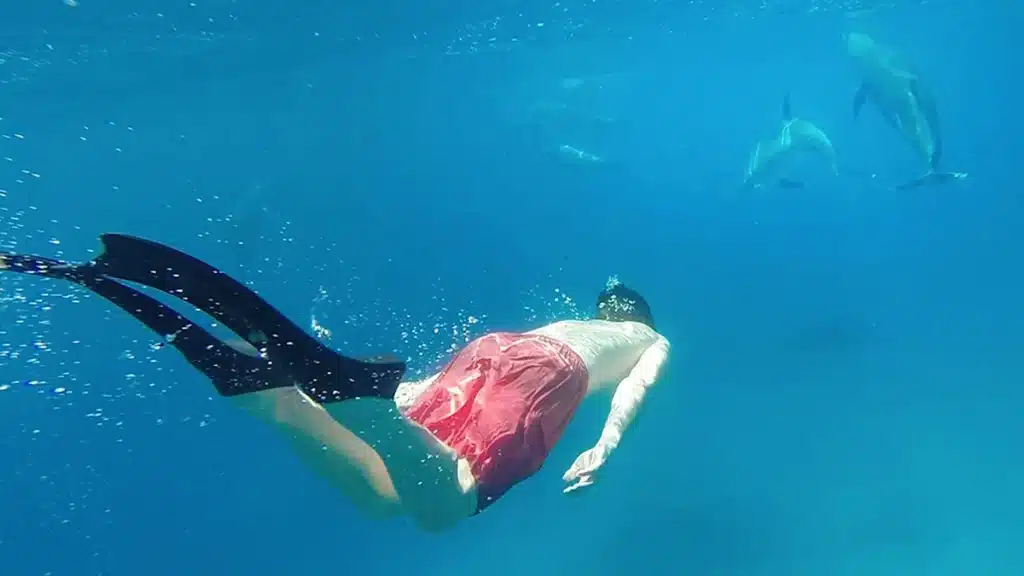
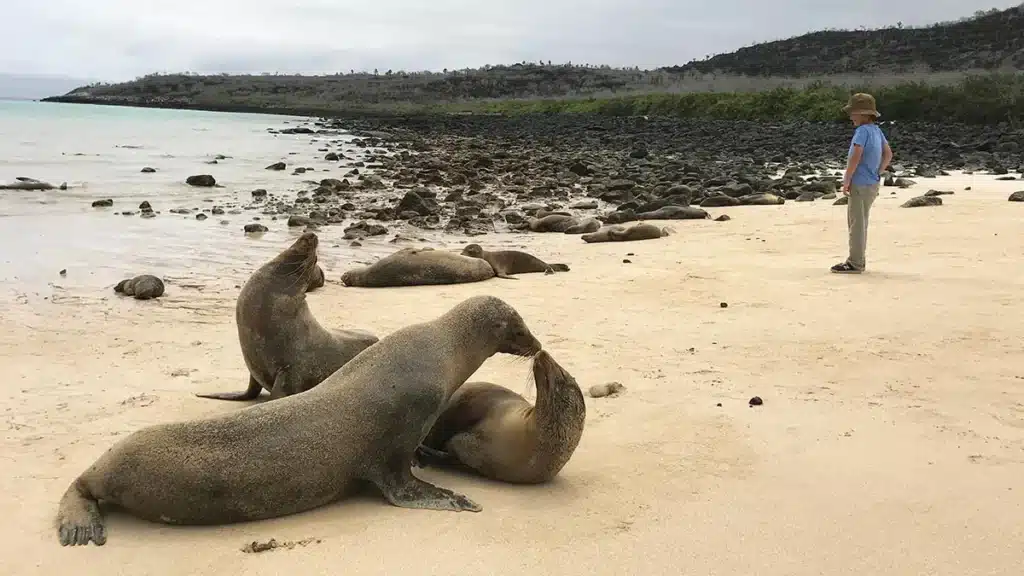
Nothing compares to the wonder of the close contact with wildlife that your children will experience in the Galapagos. In most wildlife destinations, animals are watched in silence and from a distance. Here, they get on with their lives, undeterred by human presence, whether sleeping on a bench, nesting on a path, or swimming alongside you, they can be observed up close by even the most vocal of children.


No Fear — for Animals or Parents

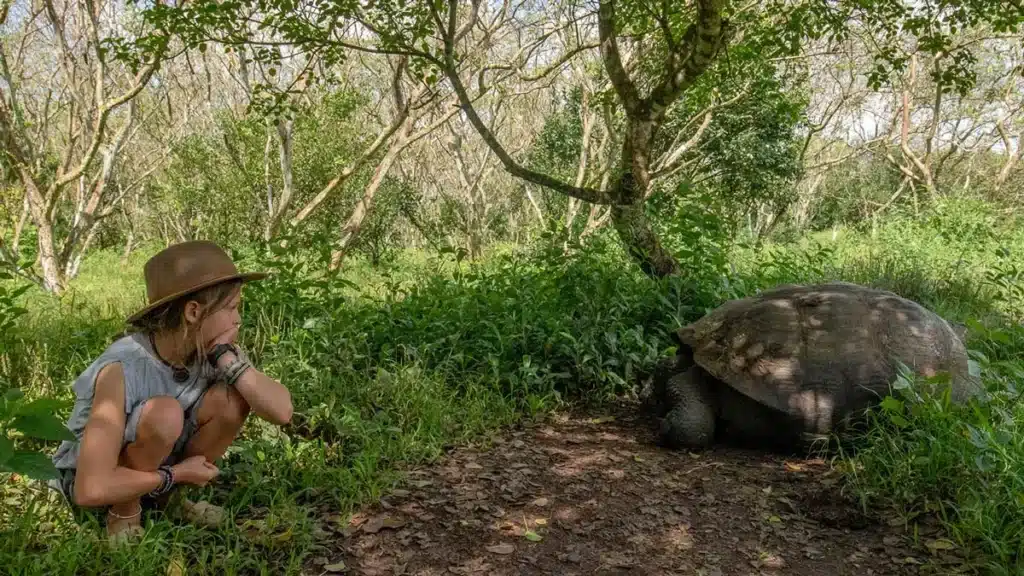
Aspiring Dr Dolittles can have a heart-to-heart with a marine iguana or a giant tortoise without parents having to worry about their safety. The animals of the Galapagos show no fear of humans, and providing children keep a reasonable distance (the National Park stipulates 6 feet / 2 meters, which can sometimes be challenging when the animals themselves can be equally curious), there is very little for parents to fear.


The Safari Experience

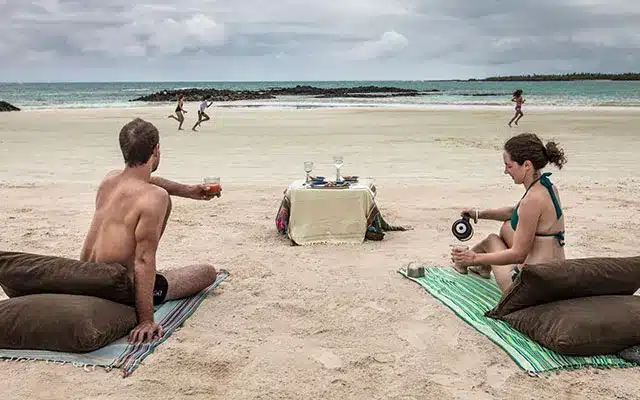
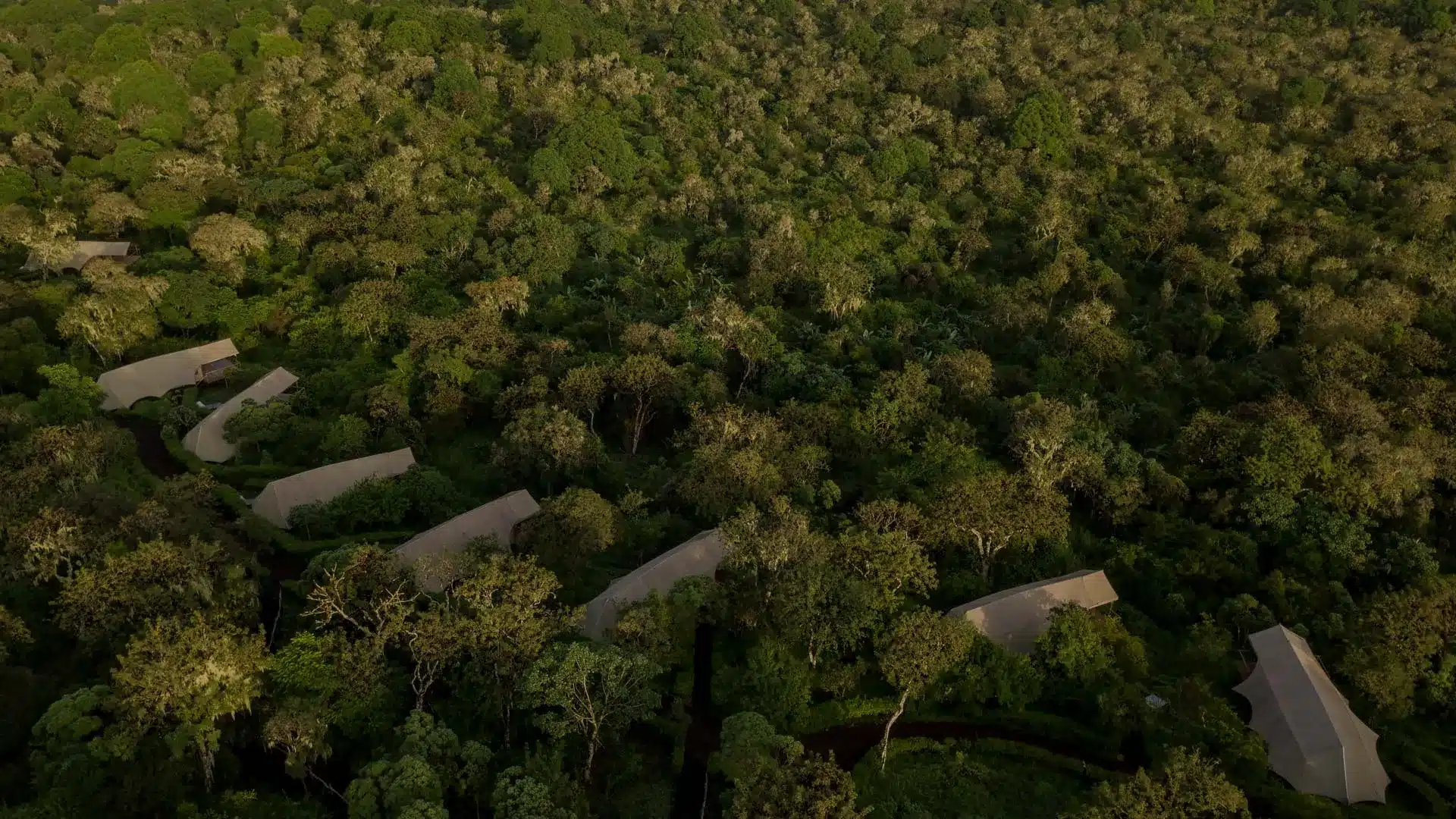
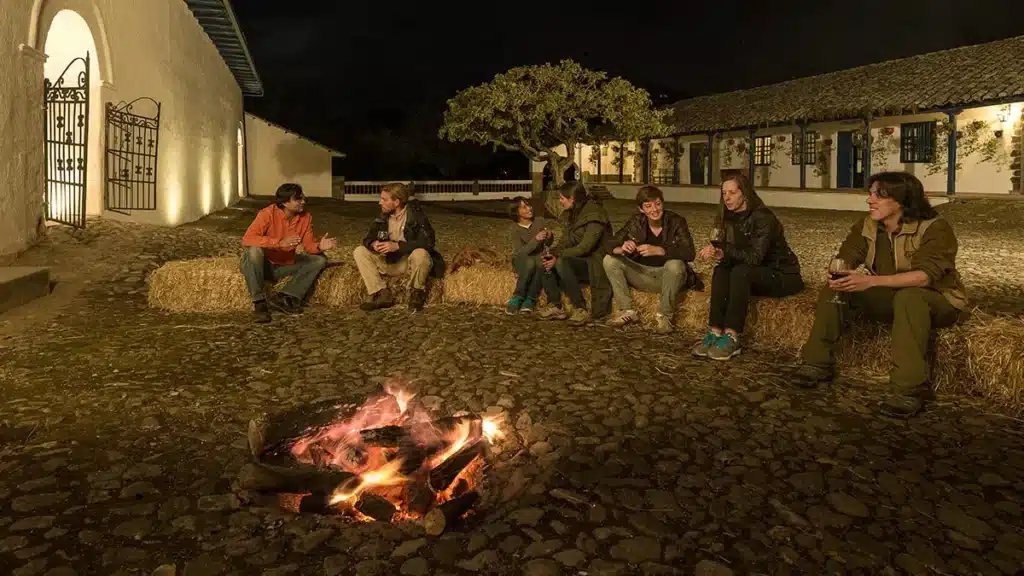
Each night at Galapagos Safari Camp, the canvas of our Family Safari Tents is all that stands between kids and the wild. As the camp’s founder (and parent of two), Stephanie Bonham-Carter describes it, “Sleeping under canvas is so very different to having four walls and a roof over you. You are sheltered, yet you are exposed. However you are comfortable, and you are protected.  And that’s Appropriate Luxury.”


Safari Activities for Kids

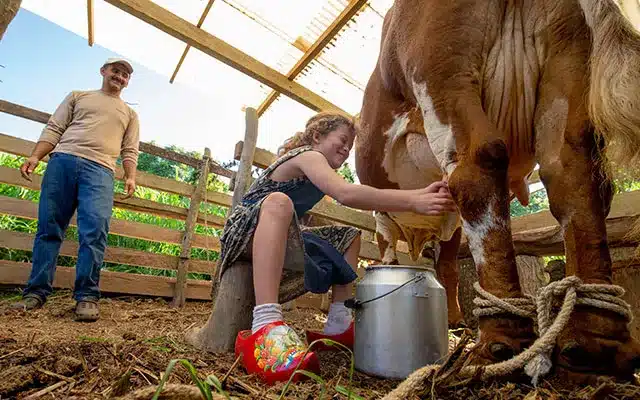
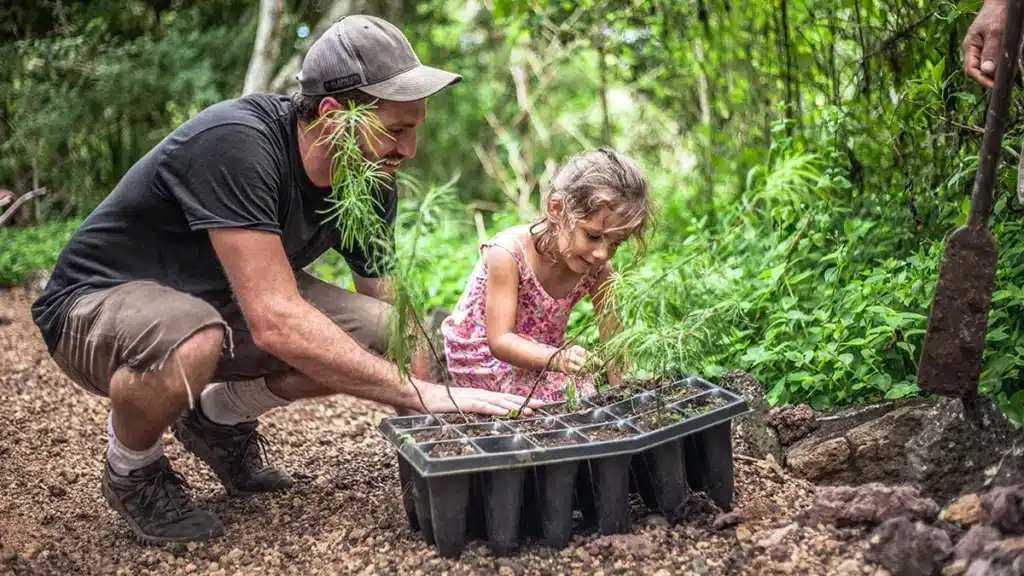
In our Kids Club, children also have the opportunity to pick oranges from the trees, dig yucca from the soil, milk a cow or harvest cacao in the plantation (seeded by Stephanie and Michael, and their children). These hands-on, experiential encounters with the natural world also plant seeds in young minds and deepen their understanding of where we belong in the great Tree of Life.

Lesson 2 — Freedom comes when we ditch the devices


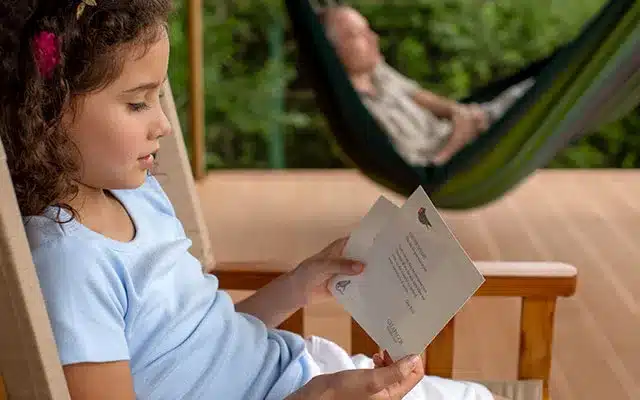
Aside from the WiFi at Camp, there’s little connectivity across the Galapagos Islands as a whole, which means that everyone, parents and kids alike, gets a necessary break from technology. Children quickly adapt to their digital detox, learning that the world beyond their screens is infinitely more absorbing, thrilling and liberating. Away from their devices, children have the chance to be more mindful and present, each experience infinitely more valuable than any possession.

What used to be a liability has become the ultimate luxury: a chance to shut out all the endless digital noise and truly connect with our planet, our loved ones and ourselves.”

— Ann Abel, Forbes

Lesson 3 — We must cherish and care for the delicate world around us


As tomorrow’s leaders, it is essential that our children learn to respect all living beings and understand the importance of conservation. In the Galapagos, that lesson is not taught, it is absorbed.

The environment here is so pristine that any intrusion feels immediately wrong. Children notice this instinctively. They see guides treating the landscape with care and they follow, without being asked. The Galapagos has a way of making conservation feel not like a duty but like an obvious response to something worth protecting.

Surrounded by people who are passionate about these islands, children develop the confidence to speak up for what they believe in, and to carry that conviction home with them.

Lesson 4 — Not all learning happens at school


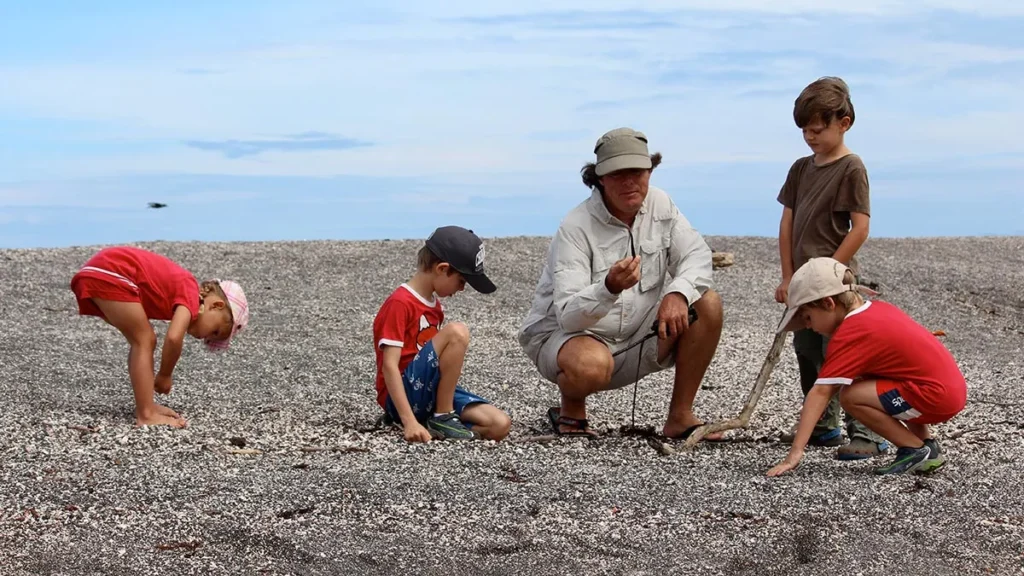
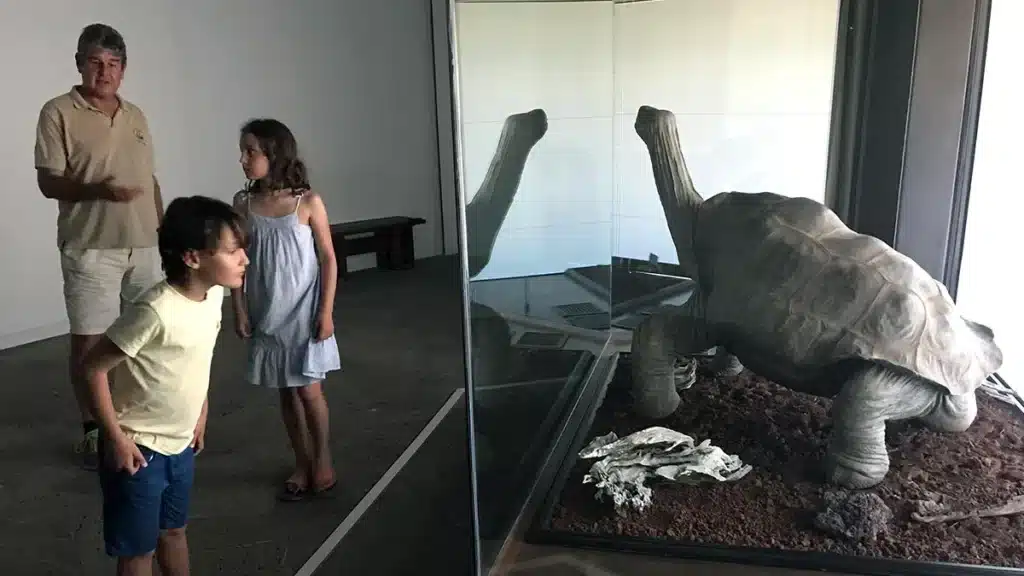
Away from the confines of the classroom, children witness cause and effect in its purest form. They see how the introduction of invasive species by humans can destabilise an entire ecosystem. They understand, viscerally, what climate change means when a guide explains how rising sea temperatures are affecting the wildlife around them. And they encounter Lonesome George — the last Pinta Island tortoise to walk the planet — not as a footnote in a textbook, but as a preserved body in a research station, a symbol of what is lost when we stop paying attention.

Lesson 5 — The greatest rewards await when we face our fears


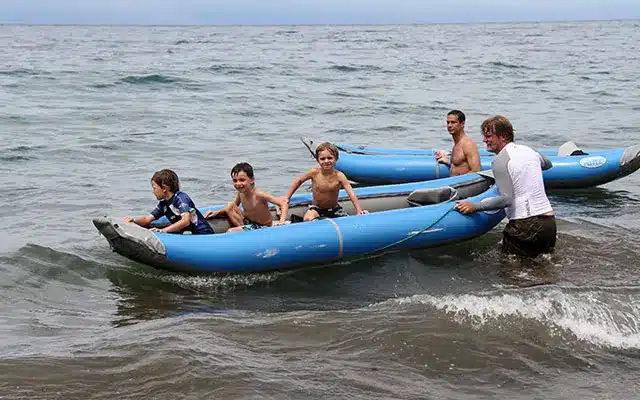
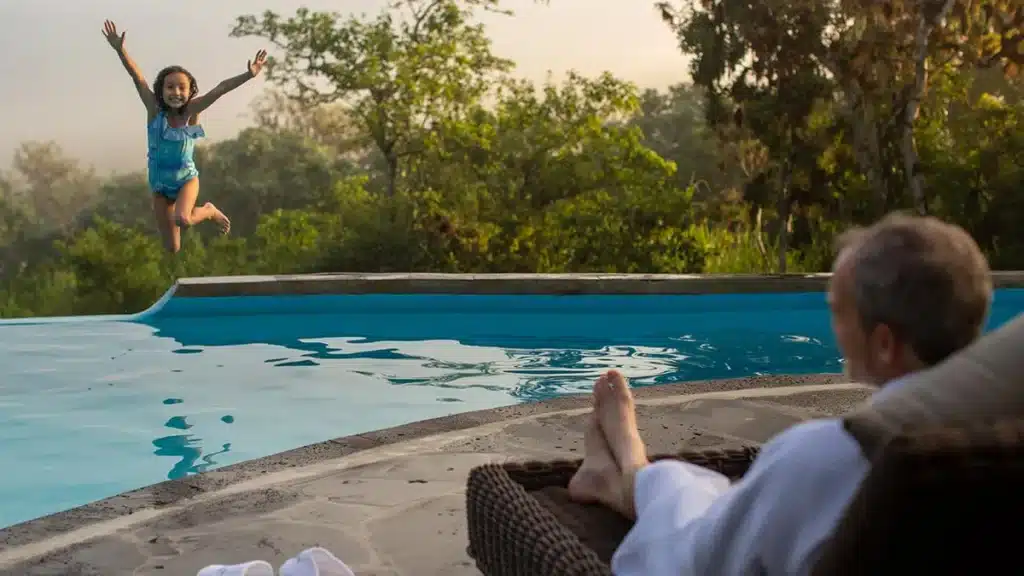
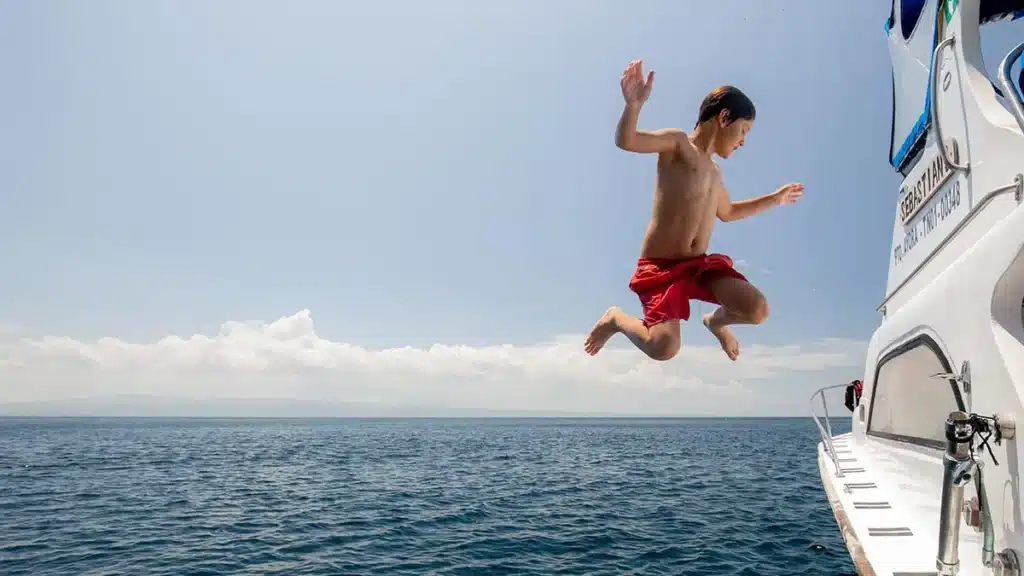
A Galapagos Safari asks something of children, and they rise to it. Whether it is boarding a boat for the first time, riding a bike downhill through the highlands, or plunging into the deep blue and catching the silhouette of a green turtle gliding past, the discovery that apprehension can quickly turn into exhilaration is one of the most valuable things a child can learn.

Lesson 6 — Curiosity is a gift


…and there’s no such thing as a silly question. The guides who work with Galapagos Safari Camp are brilliant with children — endlessly patient, genuinely delighted to explain why blue-footed boobies have blue feet, why some birds can’t fly, and for how long marine iguanas can hold their breath.

Our Family Safari is an odyssey of oddities where the curious are rewarded. After all, this is the place that inspired the Theory of Evolution. Anything that is a mystery leads to questions, and questions lead to discovery. Even Charles Darwin must have begun his investigations with a resounding “but why?

Lesson 7 — The best things come to those who wait (and keep an open mind)

Picture the scene: the boat is heading back after a morning of extraordinary encounters. Most people have settled into quiet reflection, eyes half-closed, the sun warm on their faces. You keep watching…

And suddenly you see it: just below the surface, a manta ray the size of a double bed, skimming along, then somersaulting out of the water into the air, again and again, as if performing a dance. The other travellers snooze on.

With eyes wide open and a splash of patience, the most astounding Galapagos experiences await. You’ll see.

Galapagos Wildlife for Young Explorers

Children can learn more about the Galapagos and its extraordinary wildlife by following our YouTube Playlist for Galapagos With Kids. Click on the menu icon in the top right corner of the video below to view all the videos in the playlist.

Plan Your Galapagos Safari with Young Children

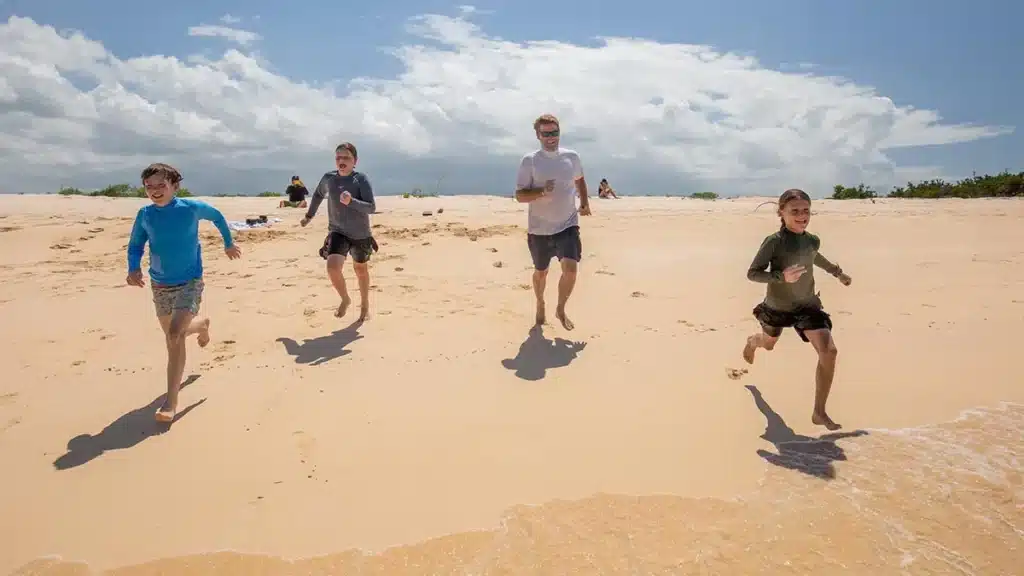
We have been hosting families with young children since 2007, from babies and tots to tweens and teens. Learn more about our Family Safari at the link below.

FAMILY SAFARIS

New: Photography Safaris 2026

Learn More

X